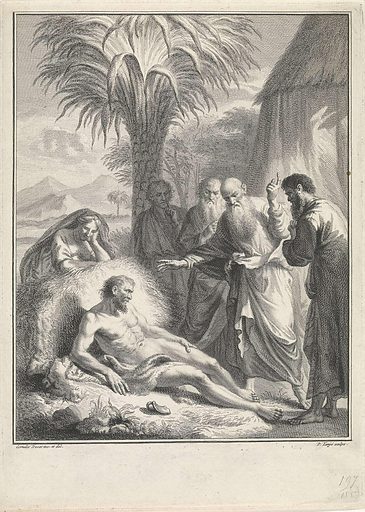

There is nothing strange about a stranger or being a stranger. Being a stranger is the human experience of our shared journey of being alive and aware of our existence. And it all began after the Fall when “the Lord God expelled the man and settled him east of the garden of Eden” (Genesis 3:23-24). In the Old Testament God told Abram, “Know for certain that your descendants shall be strangers in a land not their own” (Genesis 15:13), and God specifically commanded Moses to exhort the Israelites to “welcome, love, and protect the stranger who resides with you as one of your own citizens . . . for you were also strangers in the land of Egypt” (Leviticus 19:33-34). Our salvation pilgrimage is indeed replete with encountering, dealing, and living with strangers.
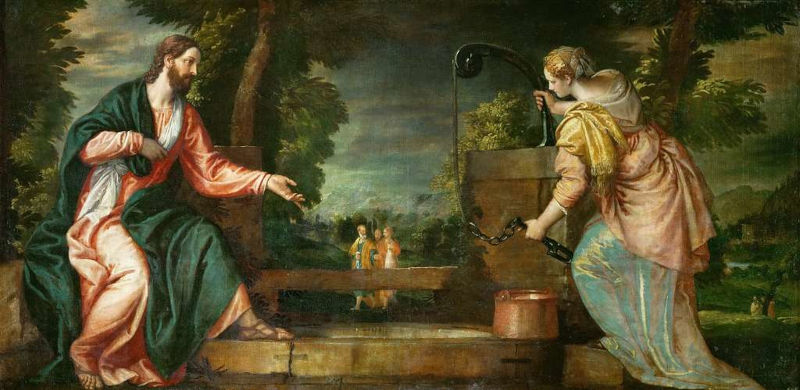
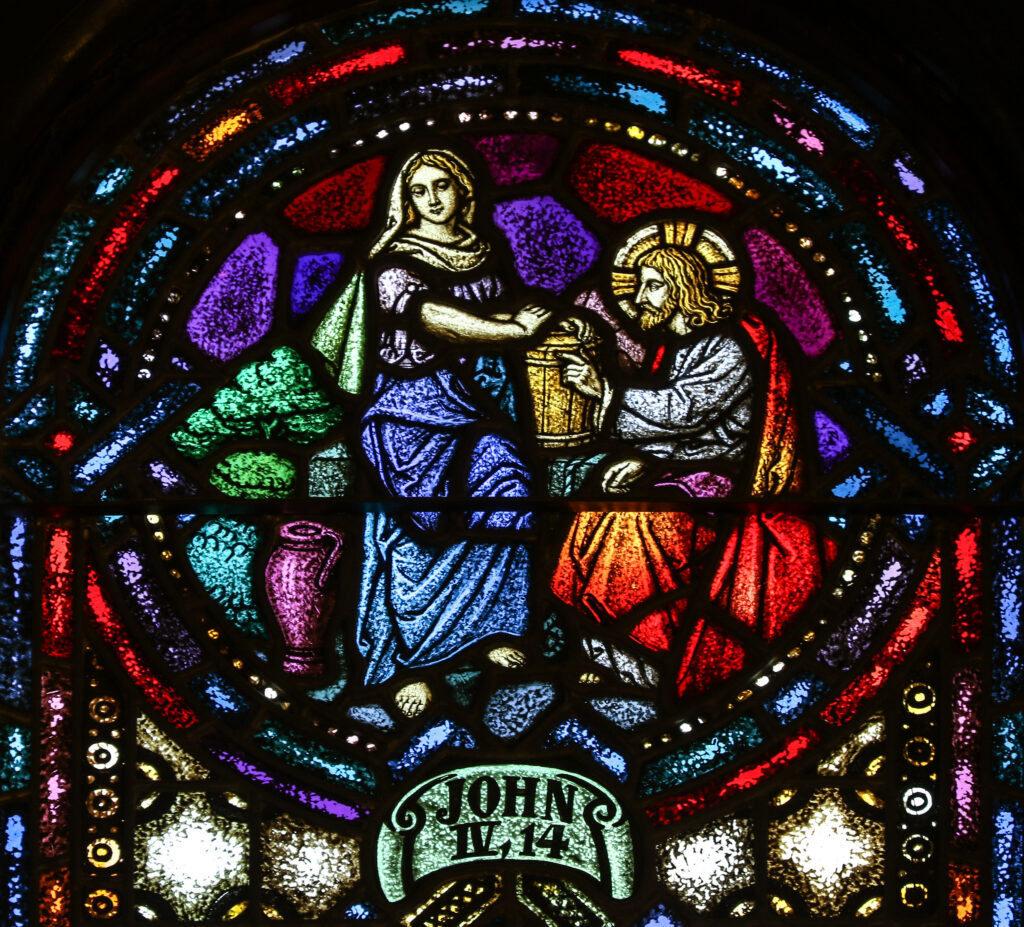
Jesus’ own humanity was a living testament of being a stranger—born in a strange environment, exiled as an infant to a foreign country, he lived the life of an immigrant. Upon his return to his hometown, his own rejected him and labeled him, “can anything good come from Nazareth?” And for three years, he spent his earthly life doing his divine mission, showing all humanity “the way, the truth, and life” to eternal salvation. He chose to live with strangers, the outcasts of the Jewish society—the poor, the lame, the blind, the sick, the dying, the sinner—all shunned and avoided by the rich and the powerful. He chose twelve men, strangers themselves, many making a living by casting their nets, to be his companions and co-ministers. He taught the people, not in the temple where only the few selected were seated and welcomed, but in the open fields or by the shore of the Sea of Galilee, where all are equal and welcome. And he taught them the eternal truth, that we are all equal before God and all humanity, that his incarnation is the foundation for this spiritual equality of all people, and that whatsoever we do to one another, we do it to him. Jesus broke all social barriers by interacting with the social outcasts of his time regardless of gender, morals, or status. At Jacob’s well he asked the Samaritan woman for a drink of water from her water jug. At that moment two social traditions came tumbling down. First, the Jews had nothing to do with the Samaritans and, second, their women were considered morally impure. Jesus ignored both, much to the amazement of the woman who replied, “How can you, a Jew, ask me, a Samaritan woman, for a drink?” What happened next was one of the most profound theological exegeses on the water of life. The back-and-forth exchange was so easy, so fluid, so unthreatening that it even flowed to the revelation of her colorful, immoral lifestyle and other religious issues like the place of worship and the promised Messiah. And finally, Jesus revealed to her his divinity, “I am he, the one who is speaking with you.” How intimate! How welcoming! How redeeming! The Samaritan woman became a faithful follower of Jesus: “Come see a man who told me everything I have done” (John 4:29). I believe Jesus truly, humanly enjoyed his time with the Samaritan woman.
Jesus also broke barriers by inviting himself to be Zacchaeus’s house guest. Now, Zacchaeus, a wealthy tax collector, known for his devious ways of amassing his wealth, was not welcomed by Jewish society. Zacchaeus was a stranger, a despised, corrupt man, and being his guest was not acceptable by the Jewish society. But Jesus said to them, “This man, too, is a descendant of Abraham” (Luke 19:9-10). And Zacchaeus underwent an immediate transformation, “Behold half of my possessions, Lord, I shall give to the poor, and if I have extorted anyone, I shall repay it four times over” (Luke 19:8). What an amazing transformation!
One of Jesus’s most tender, loving acts of human kindness was with the young woman accused of committing adultery and about to be stoned to death as Mosaic law proscribed. She was regarded as a stranger and Jesus shattered that ancient law. When the Scribes and the Pharisees asked his opinion on it, instead of responding, Jesus went down on his knees, eyes level with the woman’s, and wrote something on the ground. When no stone was thrown at her, Jesus gently helped her to her feet, looked kindly into her eyes and told her, “I do not condemn you either. Go sin no more” (John 8:4-11). A most tender act of compassion and forgiveness, not of judgement. Did the Jewish society understand and accept this moral imperative of welcoming the stranger? The outcast? The poor? The homeless? The hungry? And the disfranchised? Apparently not. They treated Jesus as a criminal, tortured, and crucified him for living and loving them.
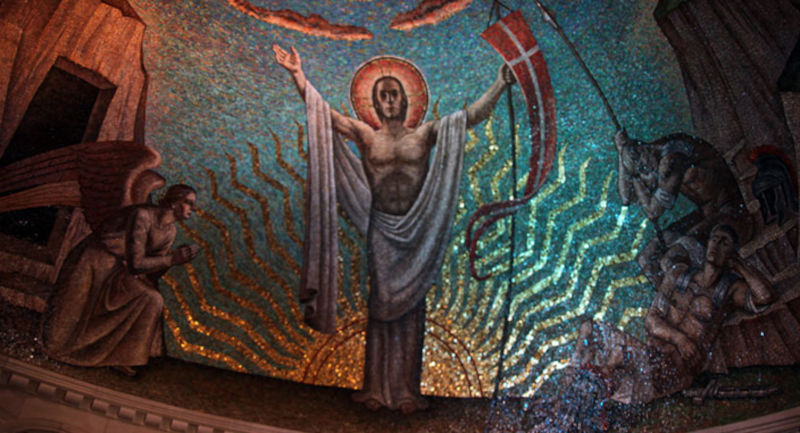
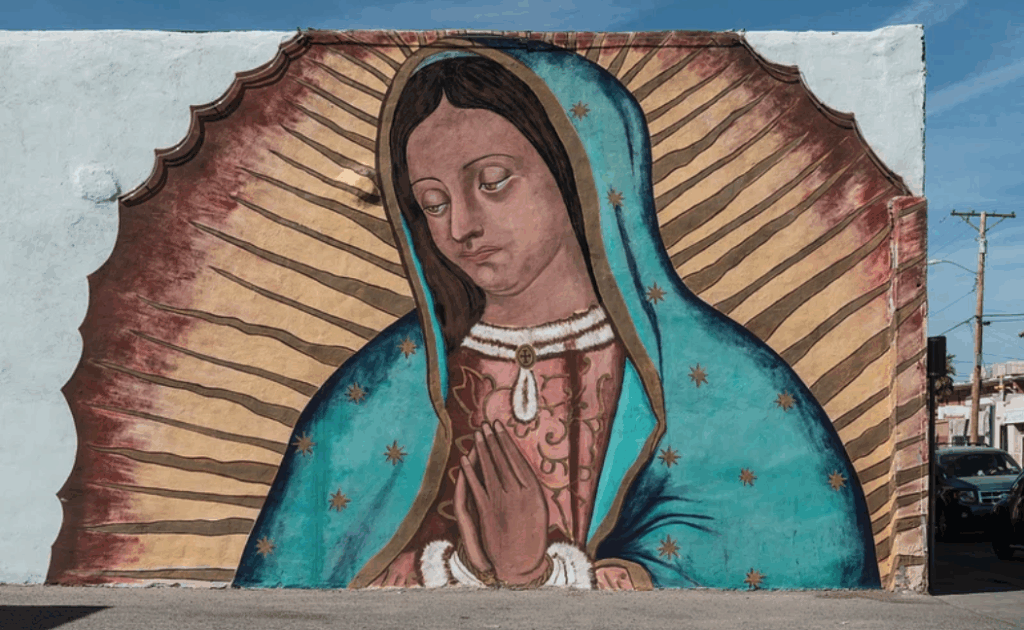
But the Resurrection of Jesus, the fulfillment of God’s promise of salvation to all humankind, ushered in a new worldview, awash with God’s amazing burst of grace and energy. It was the birth of Christianity and the urgent call to “go into all the world and preach the gospel to all nations,” to journey with all creation in hope, in unity, and in relationship to eternal life. It was the call to claim our true heritage, the divine in us. “As the Father is in me, and you in me, and I in you” (John 14:20). It was a great injunction to welcome one another, to see the divine in every human face.
But contemporary society, plagued by the consumerism of getting and spending, has become too polarized, too individualistic and isolated. We are forgetting that we are the Resurrection generation with a divine mission. The immigrants are still being herded into prisons; people of different culture or color are still systemically oppressed, considered inferior, and victimized; and sadly, leaders of nations are intent on proving their power to control, resulting in destruction, displacement, and loss of sacred lives.
What is our mission, our ministry as resurrection persons? We definitely cannot just sit back and lament our desperate times. Our faith teaches us that our resurrection is living the Paschal Mystery. Ecclesiastes reminds us that “there is an appointed time for everything . . . a time to kill, a time to heal; a time to tear down, a time to build” (Ecclesiastes 3:1-8). St. Paul understood this, although he had to fall from his place of power, be injured and blinded, to finally hear Jesus’s question, “Why are you persecuting me?” Before bringing the Good News to the Gentiles, he had to be imprisoned himself in order to release other prisoners.
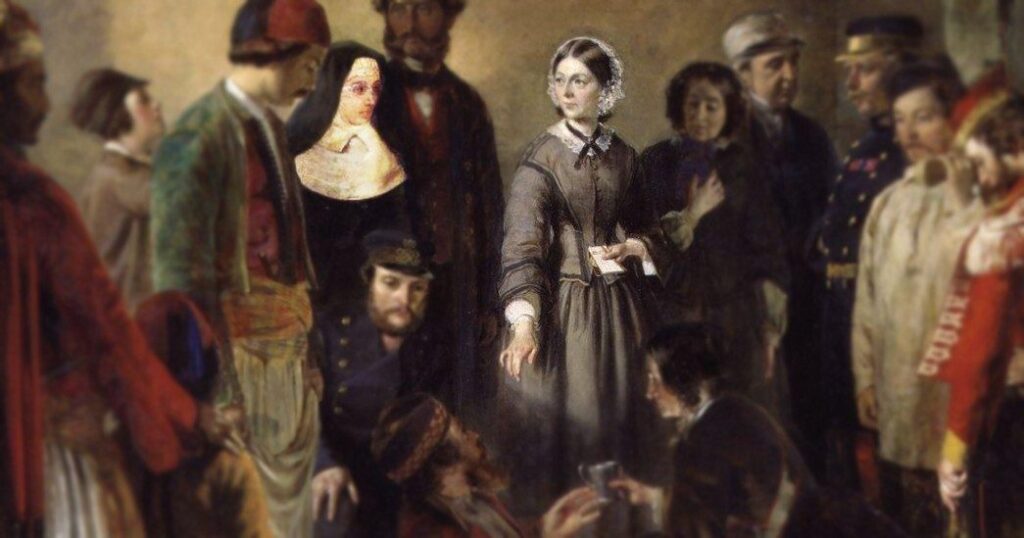
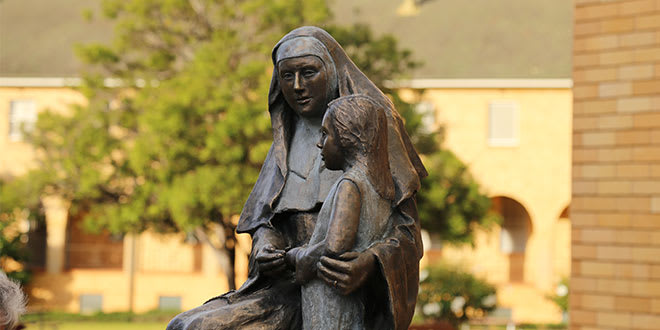
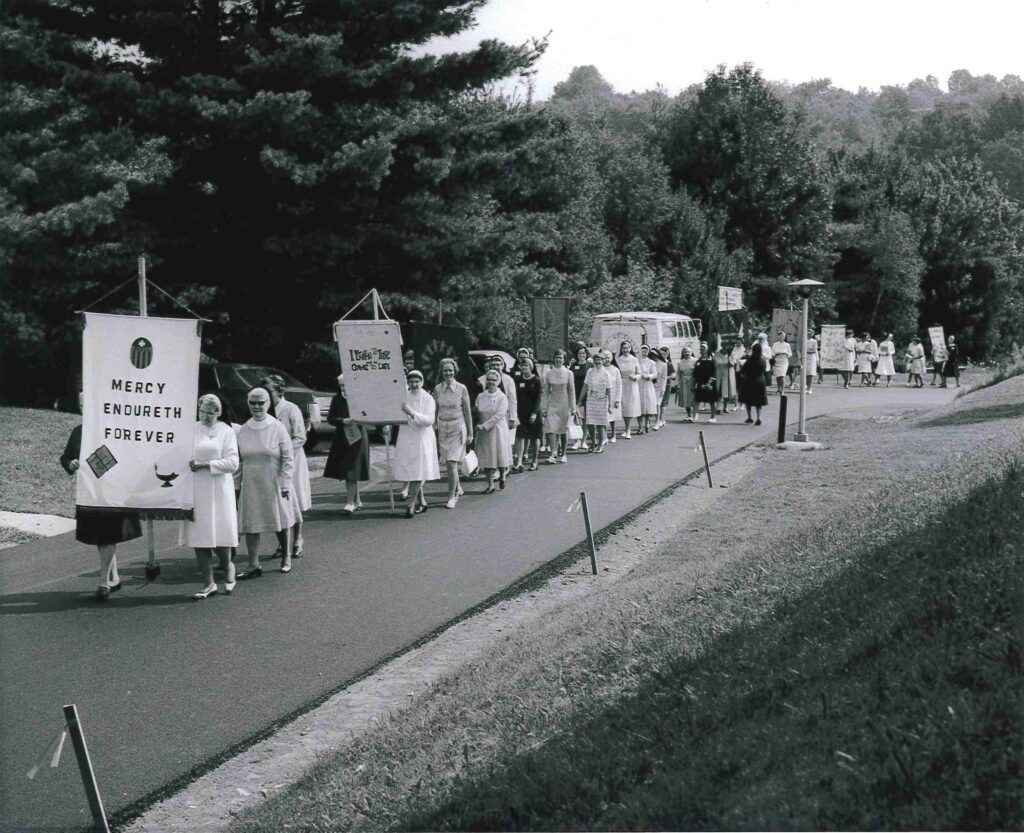
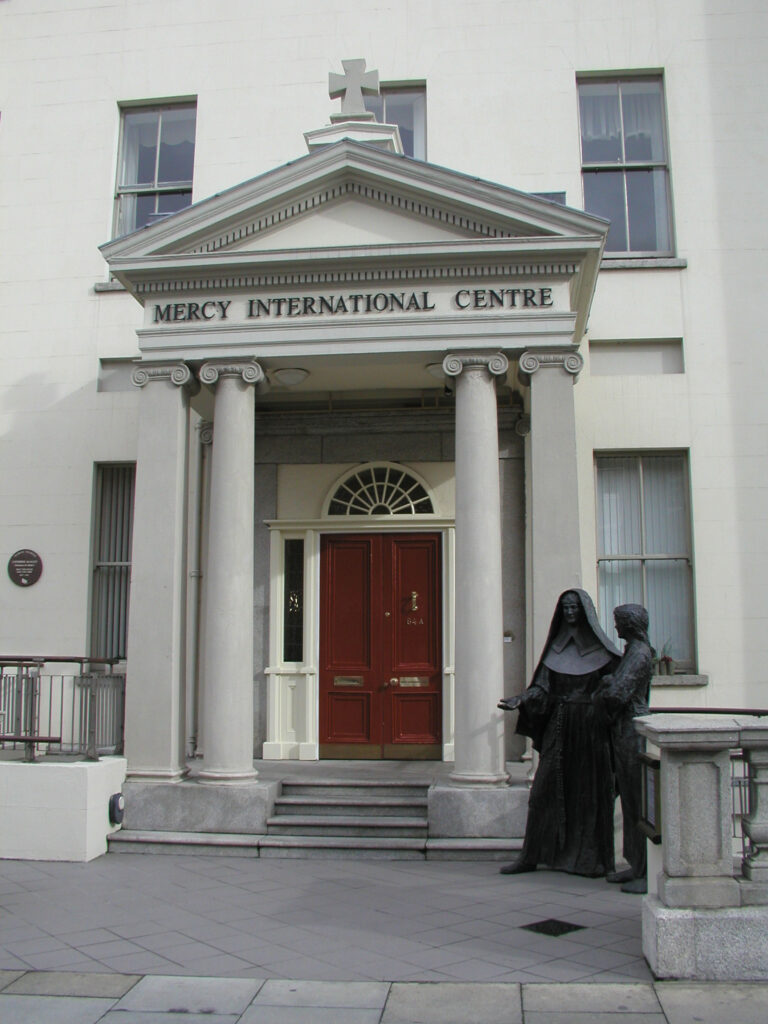
Cleary our beloved Catherine McAuley fully understood the signs of her times. She saw and heard the desperate cries of the strangers on the streets, the poor, the orphaned and abandoned children, and maltreated women. And as a single young woman she made a commitment to help alleviate the suffering and pain of those in need by building the house on Baggot Street, providing them a place of refuge, sustenance, healing, and dignity. Her passion in ministering to the poor was her charism. At her first profession as a religious and foundress of the Sisters of Mercy, she added the fourth vow of service to the poor, sick, and ignorant. Within ten years, Catherine and her community established ten foundations with their “Baggot Streets” welcoming the poor, the distressed woman, the stranger who knocked at the door. And today the Sisters of Mercy and their “Baggot Streets” are found all over the world.
Living on our fast-developing technological world, Pope Leo XIV saw the dangers and challenges to the dignity of the human person with the advent of artificial intelligence (AI). In his encyclical, Magnifica Humanitas, Pope Leo emphatically states that AI cannot be the criteria for judgement because it lacks feelings, experience, and values and treats human beings as instruments rather than persons called to relationship. The entire encyclical speaks of the sacredness of the human person, and the Pope appeals to all “Catholics, Christians and to all men and women of good will . . . placing God at the forefront of our actions and the human person at the center of our choices. Thus the ‘rejected stones’—the poor, sick, the migrants and the least among us will become the cornerstone, and a solid, welcoming common home will emerge on earth where love and faithfulness will finally meet and righteousness and peace will embrace” (Magnifica Humanitas, 16).
At a recent retreat Marcie McCann, RSM, led us to reflect on igniting “sparks” and bringing to flame the hidden embers in us, thus emitting light and hope to one another as we journey to the promised eternal light. An amazing metaphor! These sparks need stoking, and the “stokes” are paying attention to the needs of others, accepting and appreciating their humanness, and showing affection and without judgment, thus allowing them to be themselves. And the flames have amazing results: nurturing, healing, and transforming—the heartbeat of welcoming the stranger!
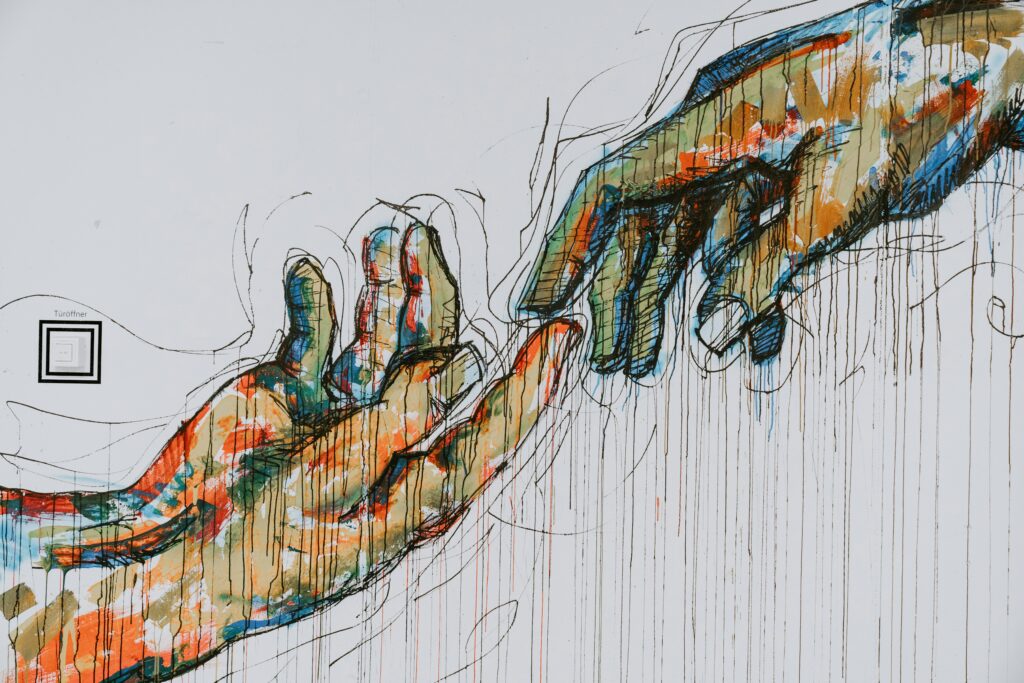
The stranger will always be with us, and welcoming the stranger is all about relationships. Relationship is the heartbeat of our existence. In the Genesis creation story, God created the entire cosmos and humanity in relationship with each other and not in isolation. I still cherish my childhood images of God, a human God, smiling and happy over each day of creation, announcing each as “good.” His smile was so wide, spreading all over his face, when he finally created the first human being. So happy and fully satisfied that God put them in charge over all his creation. It was a perfect world where the proverbial wolf and lamb could peacefully lie together. Until . . .
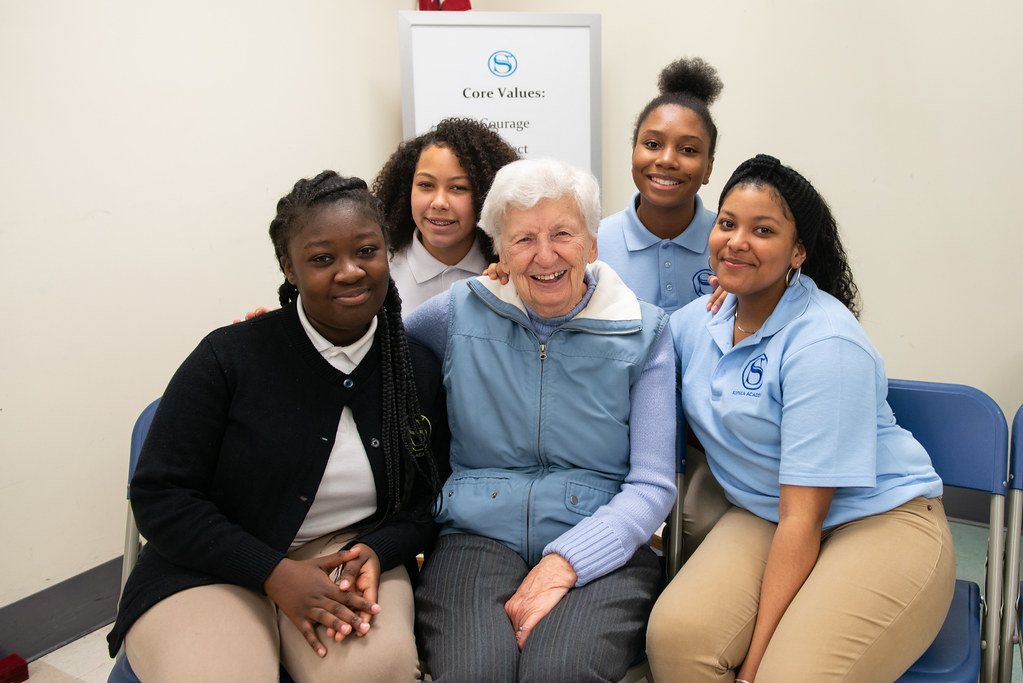
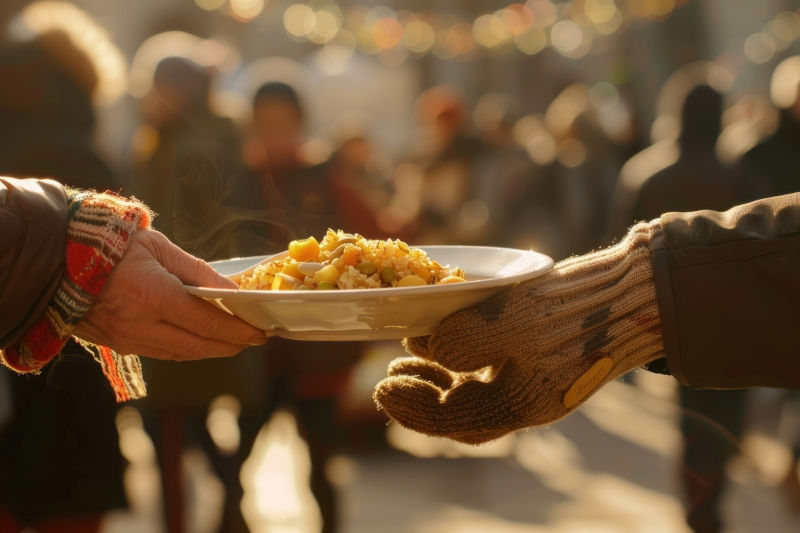
But, no matter, relationship is what makes us truly human, and to be truly human we need to be present to one another. We are persons with feeling and emotion, and we respond to the human presence, feel the human touch, hear the human voice, see the human tears, listen and understand the human fears. Catherine did just that. She and her companions literally walked the streets of Dublin, gathered the poor, homeless children, held their hands, and took them to Baggot Street. St. Mother Teresa of Calcutta, with her basket filled with bread, ate, chatted, laughed, and cried with the poorest of Calcutta. Pope Francis rode the public bus with the marginalized persons, and Pope Leo XIV left his affluent homeland and lived with the economically disadvantage people in Peru. Their presence, their touch, their empathy are transforming and redeeming.
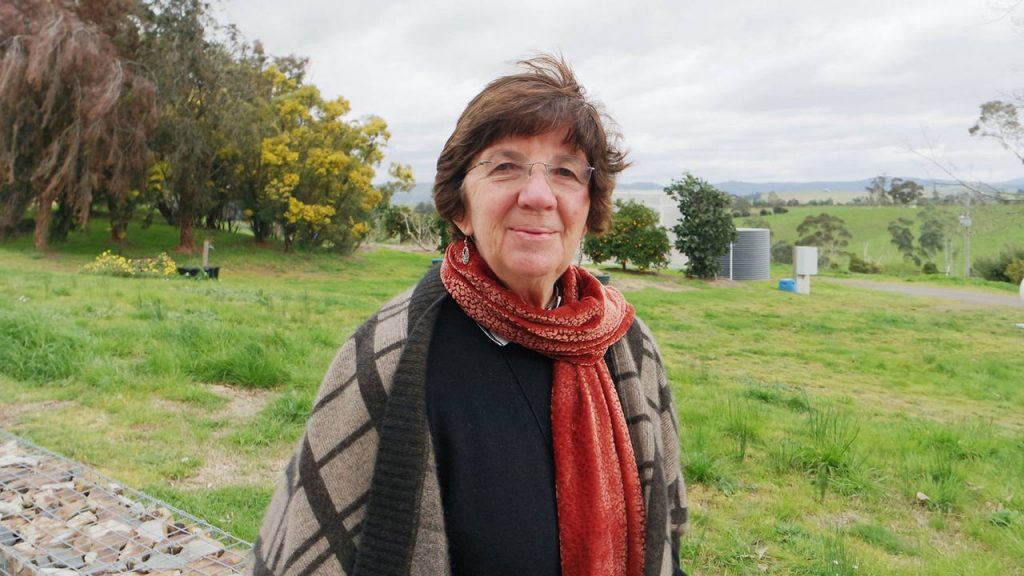
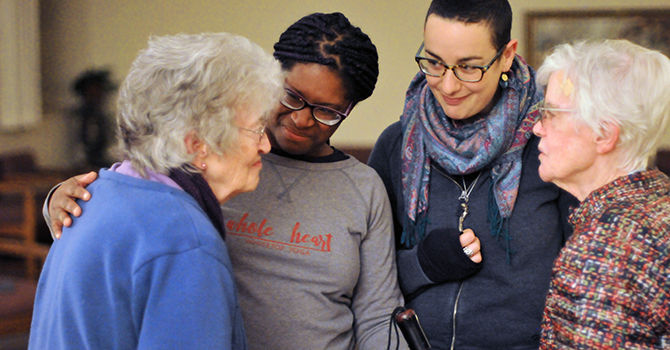
Many of us Sisters of Mercy are in our elder years and can no longer build literal “Baggot Streets” in the marketplaces. Are there other options for those who do not want to “serve by just sitting and waiting” as the great poet John Milton suggests? Personally, I try to build my “Baggot Street” in the sacred tabernacle of my heart, where I welcome strangers, offer them a cup of tea, tell repeated stories of our past and laugh about them, or just hold hands and pray together.

image: “Christ and the Samaritan Woman at the Well,” by Lawrence OP, CC BY-NC-ND 2.0