
April 12, 2026 | First Profession | Sister Mara Rutten
For those of us who attended an Easter Vigil just eight nights ago, we heard the words of the Exultet:
Rejoice, let Mother Church also rejoice,
arrayed with the lightning of his glory,
let this holy building shake with joy,
filled with the mighty voices of the peoples.
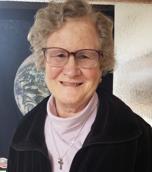
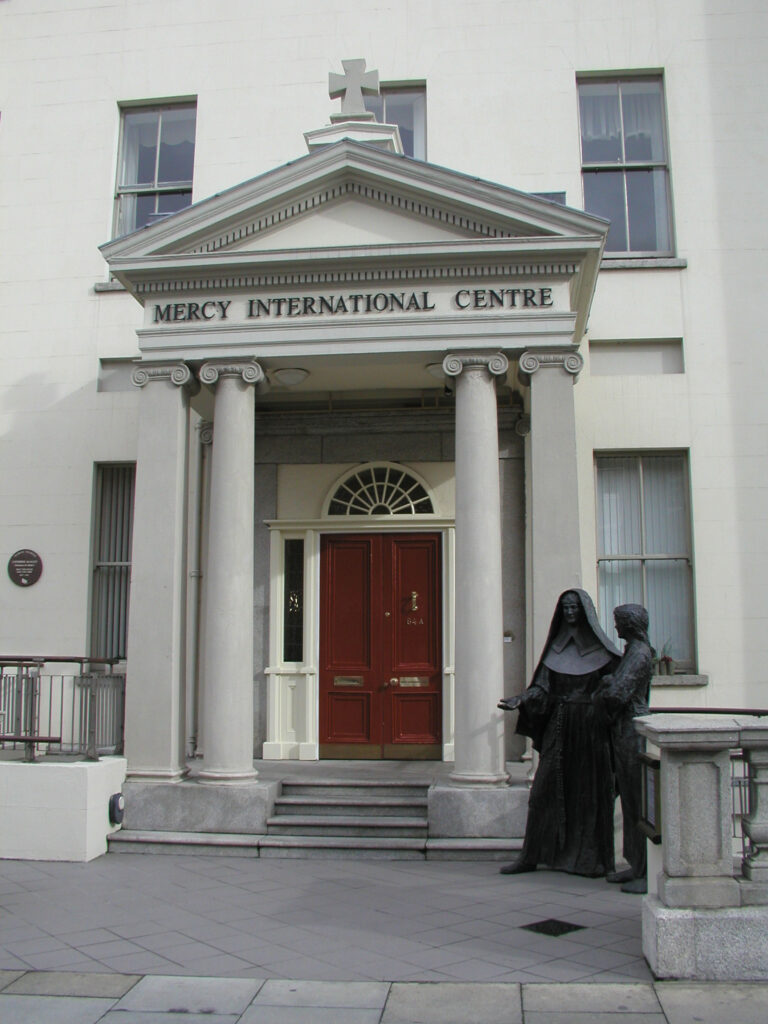
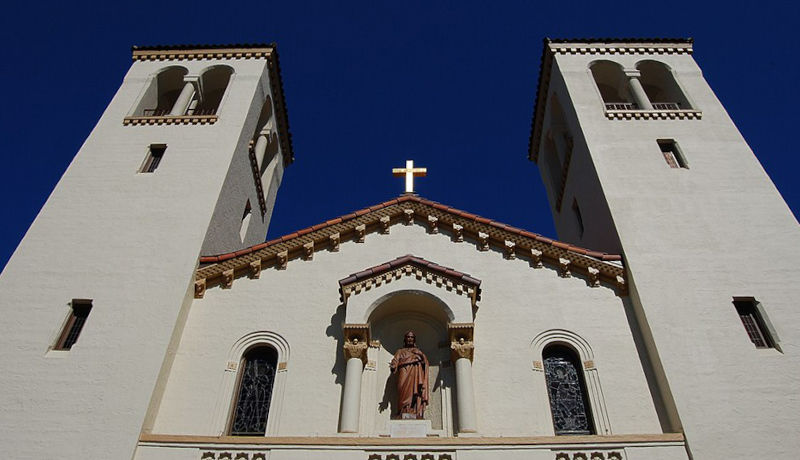
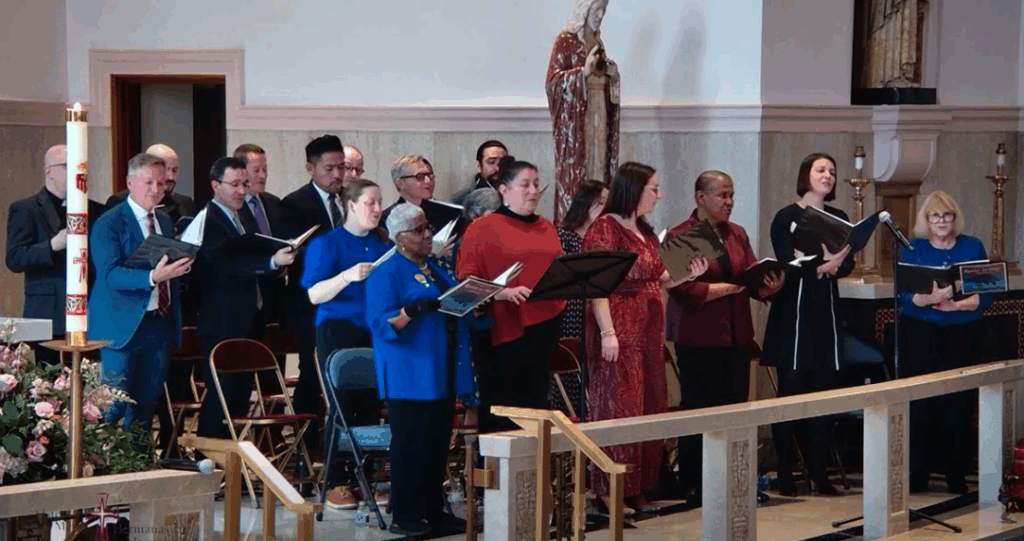
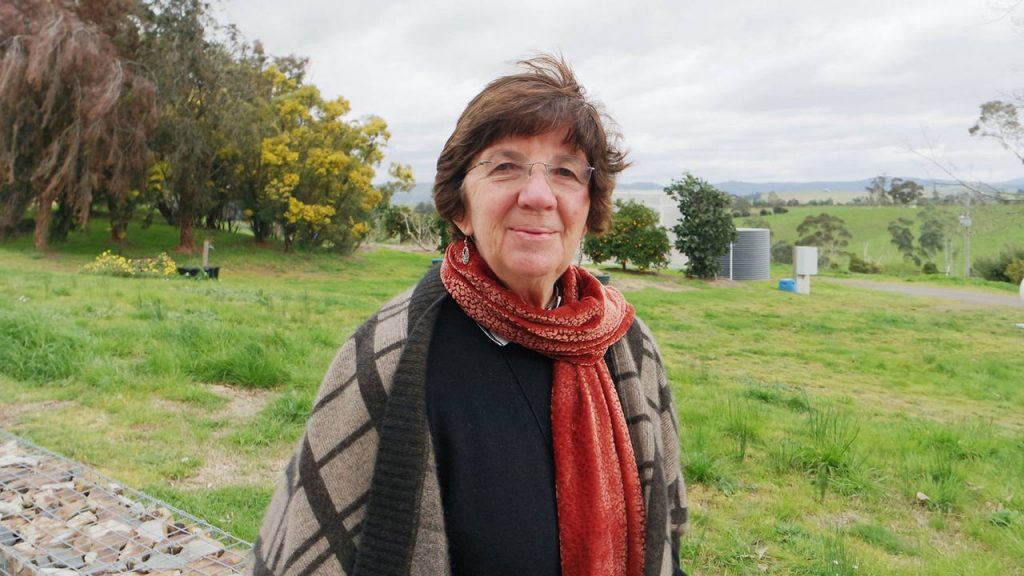
Today, Mother Church continues to rejoice, and this holy Mercy building shakes with joy for it will soon be filled with the voice of our Sister Mara as she professes her first vows as a Sister of Mercy.
It was just a week ago, when, at the Easter liturgy, Mara and each of us renewed our Baptismal promises. We know that our vows of Poverty, Chastity, Obedience and Service to the poor, sick, and ignorant provide a path for each Sister of Mercy to live out her Baptismal promises.
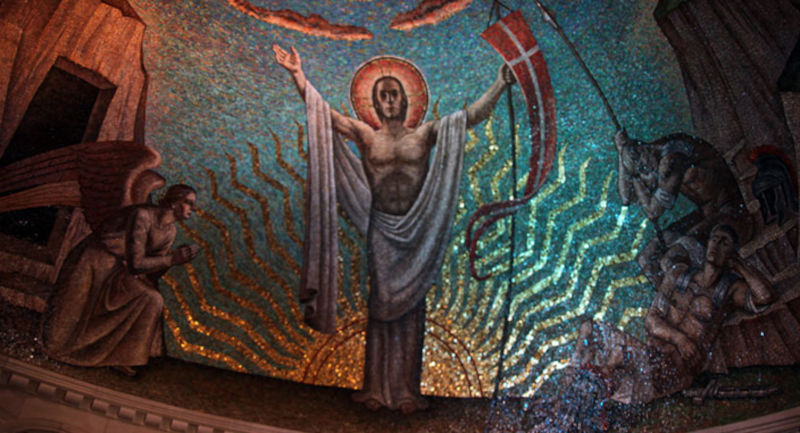
How appropriate a day on which Mara professes vows for the first time as a Sister of Mercy, the Second Sunday of Easter, as we all continue to celebrate our immersion into the dying and rising of Jesus.
Just as living Gospel values and precepts requires the mind and heart of a disciple, so too, living our vows is not without challenges. This seems especially true as we look at the signs of our times:
Insatiable greed, the blatant disregard for fundamental rights of the human person, ecological destruction, wars of choice and an unprecedented abuse of power by those in corporate and political leadership.
We can be tempted to believe that the longer we live, it seems that the culture in which we are situated becomes more and more hostile to the Gospel values we espouse.
We know, however, that the purpose of our vows is not an end in and of themselves. Rather the vows we profess serve to herald and further the Reign of God, right now and right here in our earthly home. Every time we pray our common Christian prayer we pray for God’s reign to come “on earth as it is in heaven.”
To be sure, the reading from the Acts of the Apostles we just heard provides a vivid portrait of just how the evangelical counsel of poverty was lived in the early days of the Church:
All who believed were together and had all things in common;
they would sell their property and possessions
and divide them among all according to each one’s need.
24. By our practice of poverty, we commit ourselves to follow
Jesus who became poor for our sake. We manifest our
trust in Divine Providence when by our vow we surrender
the independent use and disposal of material goods
Our vow of poverty counters the insatiable greed that is part and parcel in society. Vowed religious offer a model that no one needs to keep growing their possessions exponentially and then hoarding them. Rather than seeing scarcity, we realize there is an abundance available to those who love and care for the most vulnerable among us.
Our fourth vow of serving the poor, sick, and ignorant provides us with a roadmap of that which we can do to herald the Reign of God here and nowin our earthly home.
We know that in Catherine McAuley’s day, serving the poor meant serving members of the human family through social services, healthcare and education. However, since the death of Catherine McAuley, the world which has become industrialized and militarized has devastated many sectors of our common home, especially sectors inhabited by persons suffering from poverty.
26. We believe that all creation is God’s gift, and we strive to treat that gift with due reverence and responsible care.
And so, our service of the poor includes our efforts to sustain all life by caring for Earth’s ecosystems, addressing climate change, advocating for the right to clean water, and committing to ecological conversion.
In order to serve victims of poverty, sickness, and ignorance, we need to grow in our own self-awareness as wounded healers. To serve the marginalized, we need to understand where we have been marginalized in Church and society. Prayer, discernment, and communal processes assist us in the ongoing growth of self-awareness.
Do we believe that through the Risen Christ our vowed life we can make a difference in the life of our planet? Do we believe that through our vowed life the Reign of God becomes tangible in the here and now?
If, like Peter in today’s Gospel reading, we need to see the mark of the nails in Christ’s hands and put a hand into his side, we can look to those who have gone before us for needed evidence.
We have many examples of Sisters of Mercy as well as religious of other congregations, like the Maryknoll Sisters, who have gone before us and have lived the vows in a way that has reshaped significantly the portion of the world in which they lived. These holy women have contributed to the building of God’s Reign in their own time and place. As they did, so can we.
And so now,
Rejoice, let Mother Church also rejoice,
Let this holy building of Mercy and even Mercy cyberspace shake with joy as Mara Rutten comes forward to profess vows as a Sister of Mercy!