

I confess to being an inveterate reader, coming from a family of inveterate readers. In 1975, Mother was seriously ill and hospitalized. On a Sunday afternoon my father, sister and I converged in her hospital room. After typical chitchat, we each pulled out a book and began reading. To anyone passing by this would probably seem very strange, but for us it was a typical afternoon or evening in our home. While I thought I had coined the term “bibliotherapy,” it is an accepted therapeutic approach that my family seems to have been employing naturally.
More than entertainment, for me reading has also served to facilitate what Gustavo Gutiérrez, the Peruvian Dominican theologian, termed “accompaniment”: the theology and pastoral practice of accompanying the poor and oppressed.1 Walking with the authors of what I have termed “memoirs of lament,” sensitizes me to their suffering and the suffering of others. In this book essay I introduce you to five writers who have opened their hearts and lives to the reading public.
Richard Lischer, professor emeritus at Duke Divinity School, wrote the memoir Stations of the Heart: Parting with a Son (New York: Random House, 2015) seven years after Adam’s death. It is a powerful testimony to the last grace-saturated 90 days of Adam’s life, marked by prayer, ritual and deep love. When Adam’s cancer surges back, Lischer writes that Adam “had discovered an opponent that would push him to the full use of his powers . . . two distinct paths opened before him: one would take him through the maze of chemo and radiation to an uncertain end. The other, originating in his baptism and nurtured by the rituals of his newfound community, would lead him through the labyrinth to his true destination” (84). Recognizing that “modern cancer treatment is itself a ritual from which the sacred dimension has been removed,”(85) Adam and his wife Jenny discover ways to insert a sacred dimension, attending daily Mass, praying the psalms, developing their own stations of the cross. Most poignant is the reality that while life is ebbing from Adam, it is developing within Elizabeth. Nine days after Adam’s funeral Jenny gave birth to their daughter, Elizabeth Adam. Rich in prayers and rituals at their deepest level, Stations of the Heart is laced with lament but sustained by faith in Resurrection life.
Another theologian, Richard Gaillardetz, shares his 20-month saga with pancreatic cancer in While I Breathe, I Hope: A Mystagogy of Dying (Collegeville, Minnesota: Liturgical Press, 2024), stitched together posthumously from his regular, deeply personal posts on CaringBridge, set up by his wife, Diana.2 Rick, the only one of these authors I knew personally, initially began posting his own health updates, later deciding to add some spiritual and theological reflections. Friends and colleagues urged him to publish these. Knowing that he would not live to see the resulting book in print, Rick asked his friend and mentee, Grace Agolia, to help edit and complete the project. Rick concluded each entry Dum spiro, spero. Often attributed to Cicero, translated from the Latin it reads, “While I breathe, I hope,” which became Rick’s mantra as well as the title of his book. This memoir includes the work of other theologians and poets who stoke the embers of hope. Not simply recording them, it becomes obvious how Rick drew strength from them. His heart echoed Teilhard de Chardin’s prayer, “O God, grant that I may understand that it is you . . . who are painfully parting the fibers of my being in order to penetrate to the very marrow of my substance and bear me away within yourself.”3
In his Foreword to Paul Kalinithi’s exquisite memoir, When Breath Becomes Air (New York: Random House, 2016), Abraham Verghese, himself a gifted physician-writer, captures the treasure that is this memoir. At 36, having spent the last ten years training as a neurosurgeon, Kalinithi was diagnosed with Stage IV lung cancer. A student of literature and medicine, Kalinithi turned his long-harbored interest in writing into this timeless memoir that will take your breath away. Verghese urges readers to “see what it is to still live, to profoundly influence the lives of others after you are gone, by your words. In a world of asynchronous communication . . . stop and experience this dialogue with my young departed colleague, now ageless and extant in memory” (xix).
Also diagnosed with Stage IV cancer, in her memoir Hoping for More: Having Cancer, Talking Faith, and Accepting Grace (Eugene, Oregon: Cascade Books, 2012), theologian Deanna A. Thompson finds herself embraced by the Virtual Body of Christ. Thompson’s memoir is the most theological of this set, not surprising because she is a university professor who encourages her students to be participants not bystanders; to journey into mystery themselves as a mode of learning; to probe and question and not simply memorize facts. Readers are invited to do likewise, reaping rich rewards are great, for this lament is also a tale of abundance. Like Galliardetz, Thompson benefitted from the grace-exuding CaringBridge community and now lives with what oncologists label “stable disease.”
Chimamanda Ngozi Adichie’s memoir of lament, Notes on Grief (New York: Alfred A. Knopf, 2021) is a brief but stunning personal account of her father’s death in the 2020 summer of COVID-19. Laced with meditation, remembrance and hope, to my ear it sounds like the Book of Lamentations in its style and cadence even though it is written as prose not poetry. Kathleen O’Connor calls the Book of Lamentations a “potent work of art” through which we “enter into a world apart, a world created by suggestion, image, and metaphor.”4 O’Connor could be describing Adiche’s memoir.
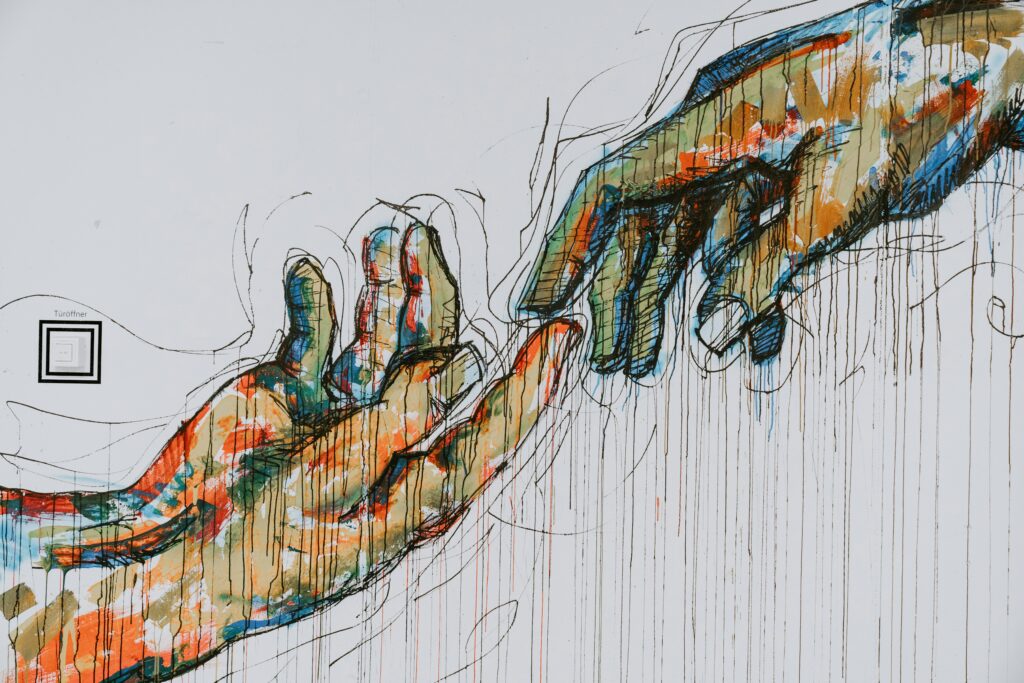
Although very different, each of these memoirs of lament shows us the footpath of accompaniment. When words fail, presence doesn’t. The writers become wise and generous mentors by opening their lives, struggles, and relentless hope, encouraging us to accompany others on the journey to life.
Notes:
- Gustavo Gutiérrez, A Theology of Liberation: History, Politics and Salvation (Maryknoll, New York: Orbis, 1973). See also Raul E. Zagarra, “Gustavo Gutiérrez Accompanied God’s Suffering People,” The Christian Century (December 2024), https://www.christiancentury.org/features/gustavo-guti-rrez-accompanied-god-s-suffering-people.
- CaringBridge is a free health platform developed in 1997 as a space where patients and/or their families can share one’s journey. See https://www.caringbridge.org.
- Teilhard de Chardin, The Divine Milieu (New York: Harper & Row, 1960), 89-90, as quoted in Gaillardetz, While I Breathe, I Hope, 22.
- Kathleen M. O’Connor, Lamentations and the Tears of the World (Maryknoll, New York: Orbis, 2002), 4.

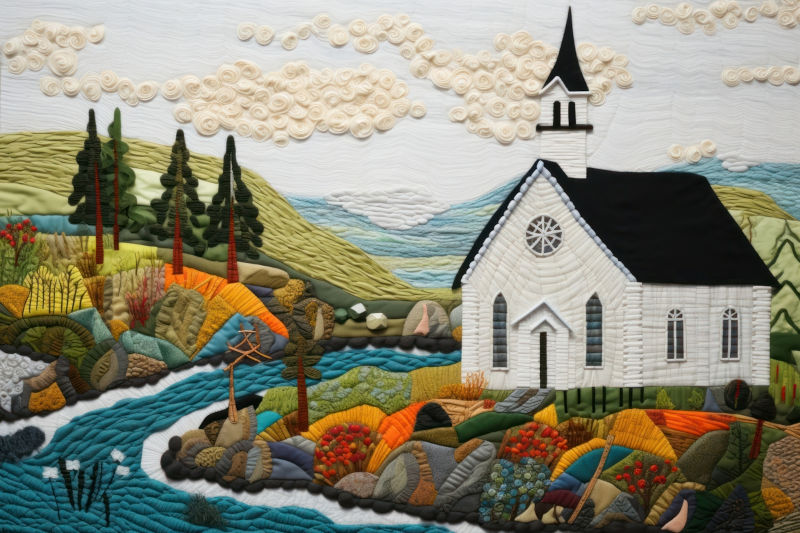
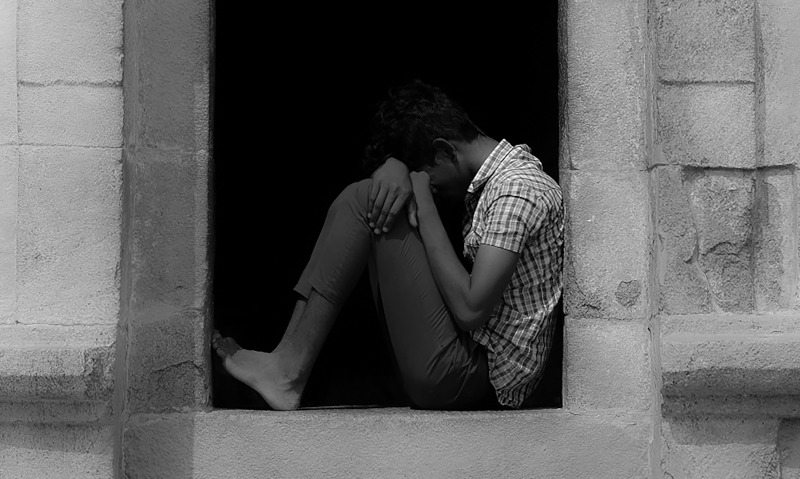
image: Available at pixnio (Public Domain).