




We are called to persevere, to continue both study and discussion on the role of women in society and the Church.
Read More
From the Editor | May 15, 2026
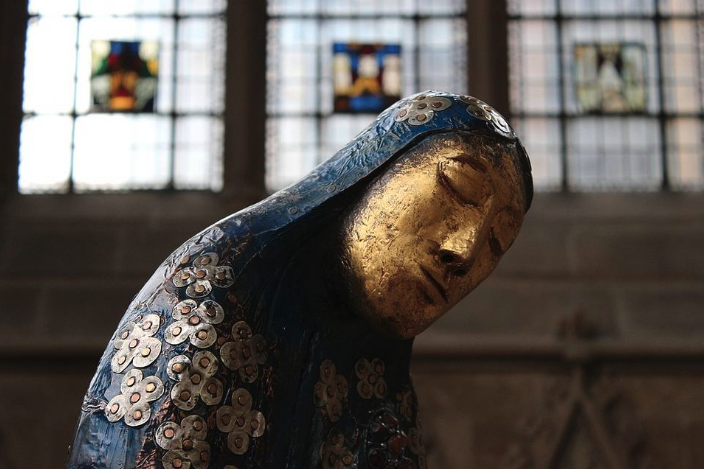
The Book of Lamentations, then and now, offers a language for grief, fear, and despair.

The Book of Lamentations, then and now, offers a language for grief, fear, and despair.
God is culpable. There is no other way to come to terms with God’s character that is true to the Bible and our lived experience.
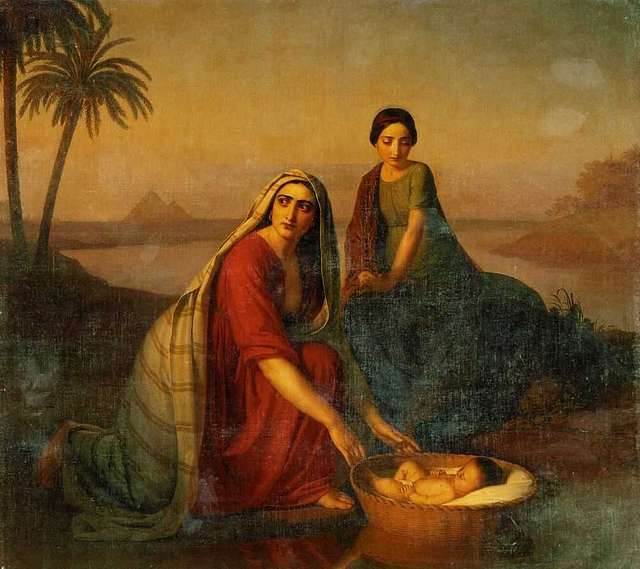
This story of lamentation to liberation has countless fictional elements. It simply could not have happened as recounted. The power of the story is that it happens all the time.
The cry that begins our lives is not the sound of despair, but of hope, a reaching toward connection, toward comfort, toward life itself. So it is with lament.
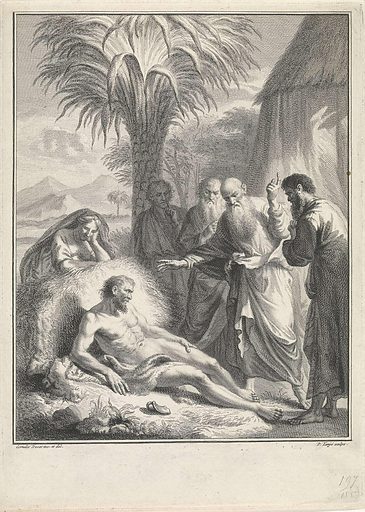
We too often think of it as just complaining, playing the blame game, an excuse for negativity, or a “poor me” syndrome. But, as we’ve seen from the story of Job, the Bible does recognize the validity of the human need to lament.
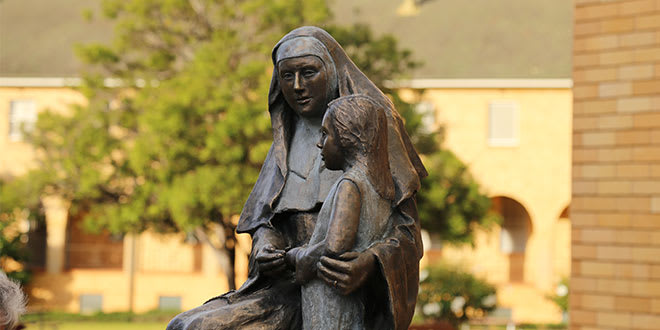
We are called to persevere, to continue both study and discussion on the role of women in society and the Church.
Read MoreIt is not my intention to eulogize Eloise; rather, I propose to give you some insight into this vibrant, committed, passionate Sister of Mercy.
Read MoreThe Church’s treatment of women contrasts strongly with Catherine McAuley’s understanding and practice of leadership and leadership development.
Read MoreNot long ago, Cardinal Walter Kasper told the international Catholic journal Communio that the diaconal ordination of women was theologically possible and pastorally sensible.
Read More