


This issue’s theme, The Work and Works of Mercy, comes from the title of an article written by Ade Bethune written in 1940. Although Ade died in 2002, she has been living with and inspiring me for more than 25 years through the energy of…

I think that right now in the United States, our biggest problem is we keep asking ourselves the same question. What should I do? What should I do? What should I do? And we're doing it in our rooms by ourselves. And enough of that.…
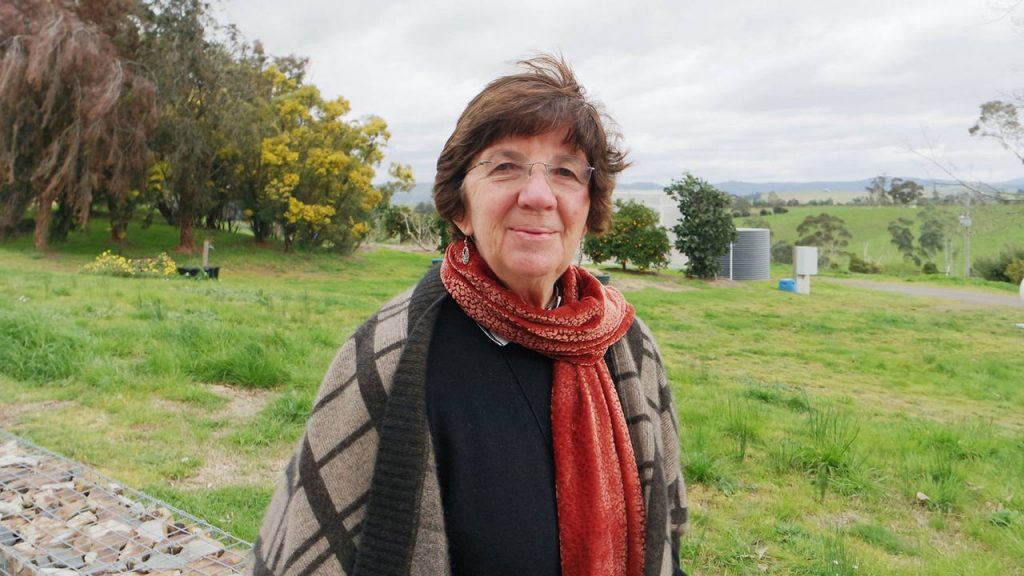
Elaine Mary Wainwright, Sister of Mercy and eco-feminist biblical scholar, died on July 5, 2024. She was a woman of valor whose spoken words of wisdom touched the hearts of the many . . . It has been a privilege to share with Elaine a…
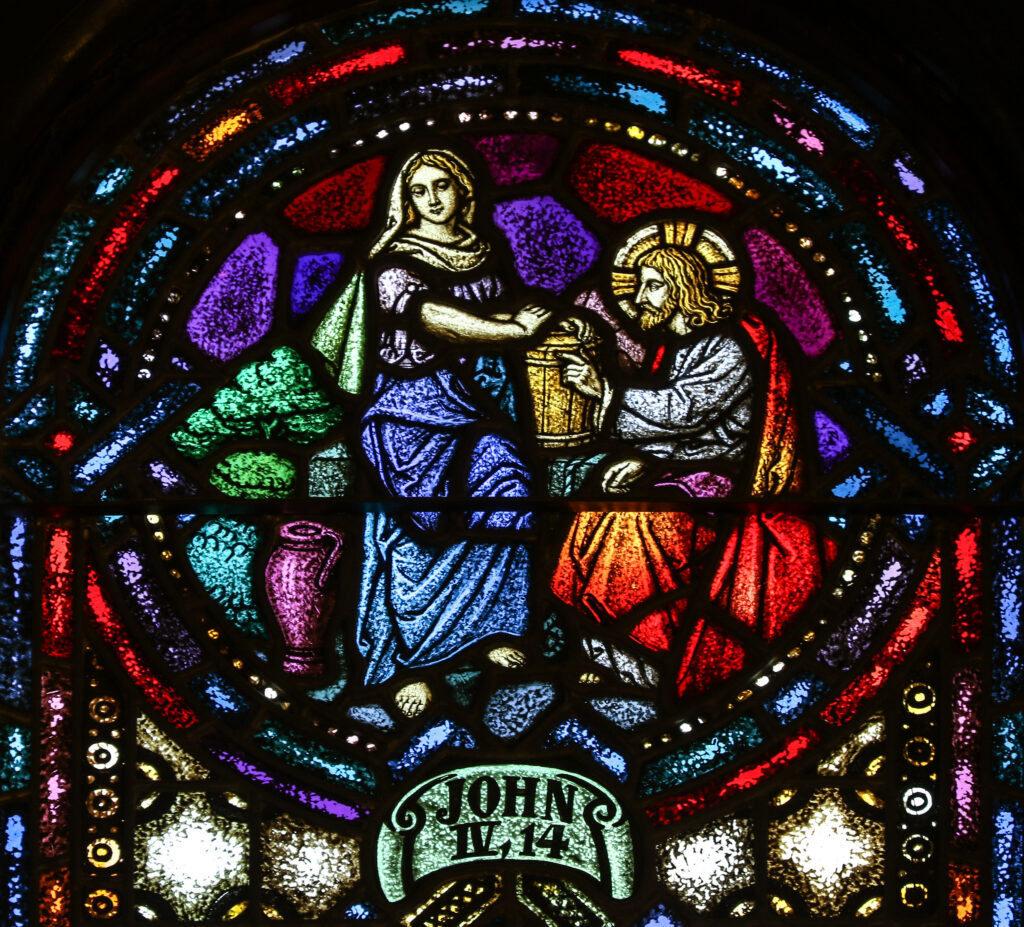
But, no matter, relationship is what makes us truly human, and to be truly human we need to be present to one another. We are persons with feeling and emotion, and we respond to the human presence, feel the human touch, hear the human voice,…
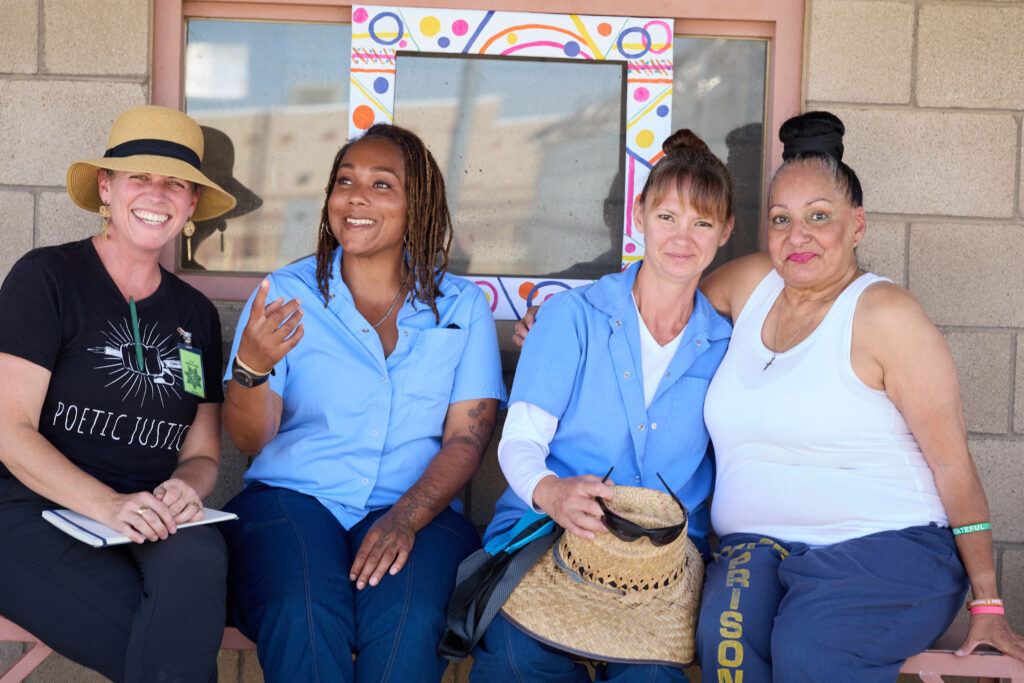
We are still so locked away. / The words get locked away too. / And this is what poetry can do. / It can give me back to you.

As I look ahead, unaware of what the future brings, I am learning to trust and accept God’s will. I pray that we, advocates at the United Nations, can continue to grow in this ministry, learning how to better promote human rights and dignity. I…
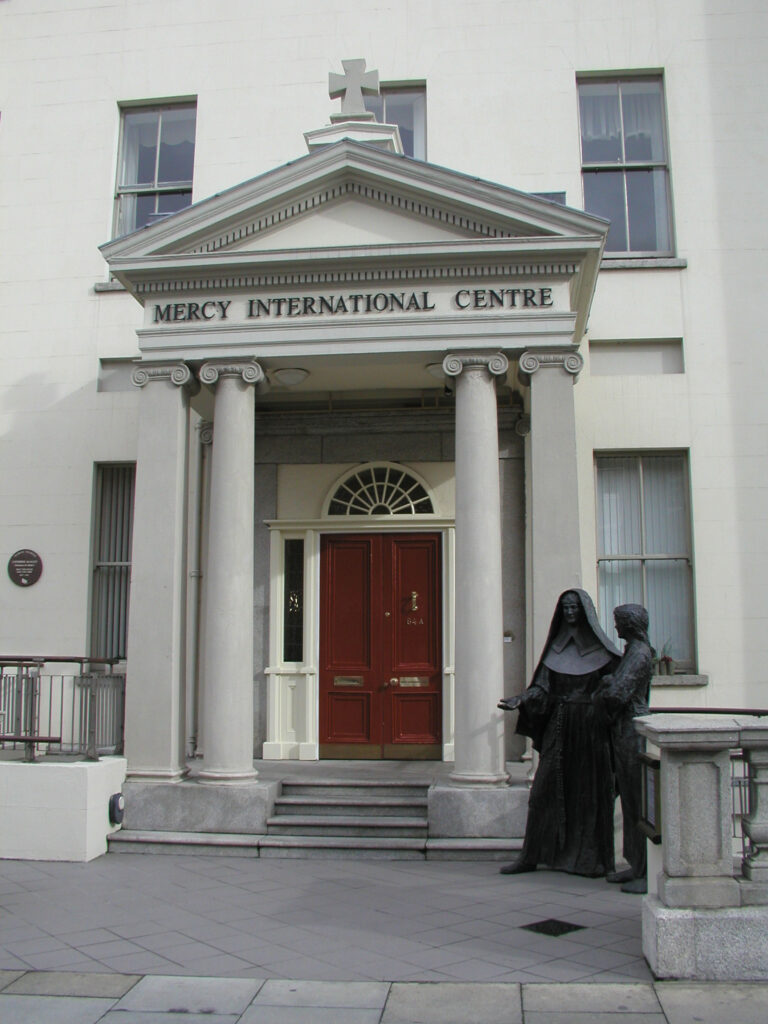
Today we are linking with the ministries of our sisters, with universities and La Red Clamor, a church network from Latin America and the Caribbean that deals with migrants, displaced persons, refugees, and human trafficking. We continue our work, accompanying with tender courage the families…
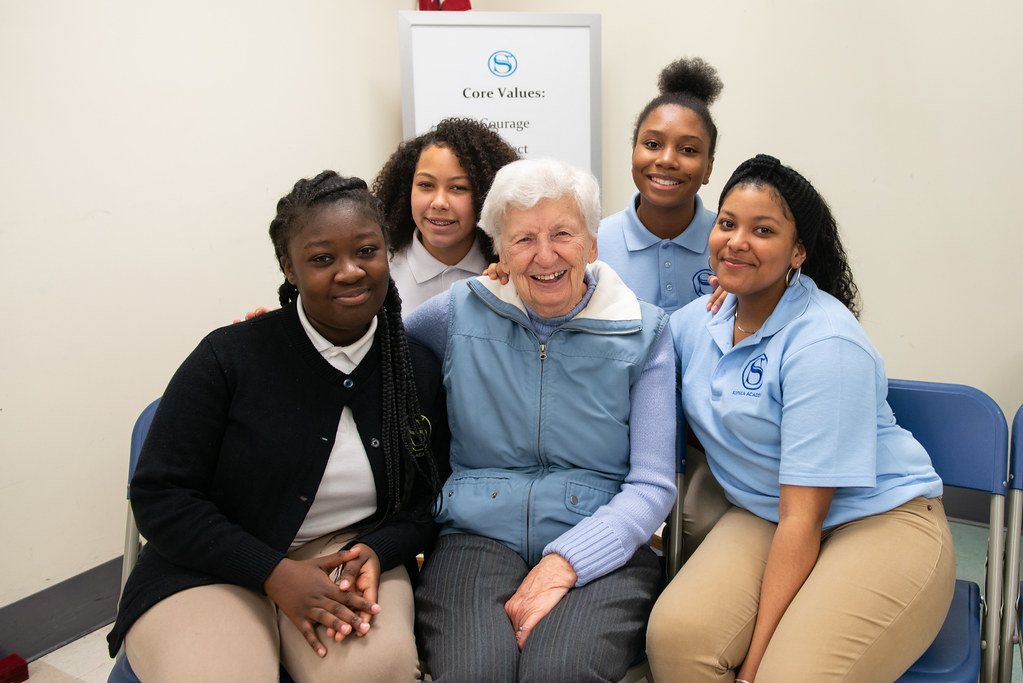
From the beginning, Catherine McAuley recognized the call to respond to those in need as rooted not in stages of life or formal roles, but in attentive listening to the cry of God’s people. She spoke of the works of mercy as “the business of…
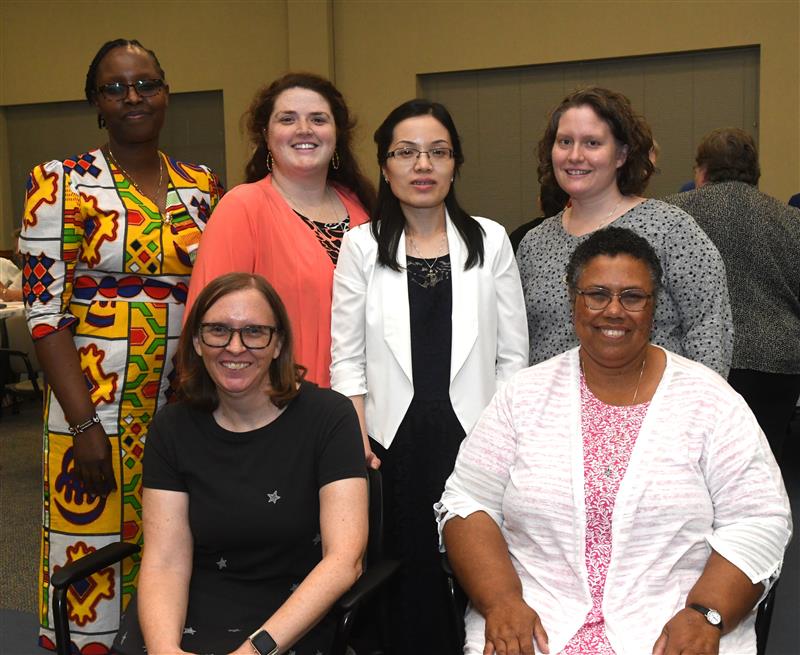
We know, however, that the purpose of our vows is not an end in and of themselves. Rather the vows we profess serve to herald and further the Reign of God, right now and right here in our earthly home. Every time we pray our…
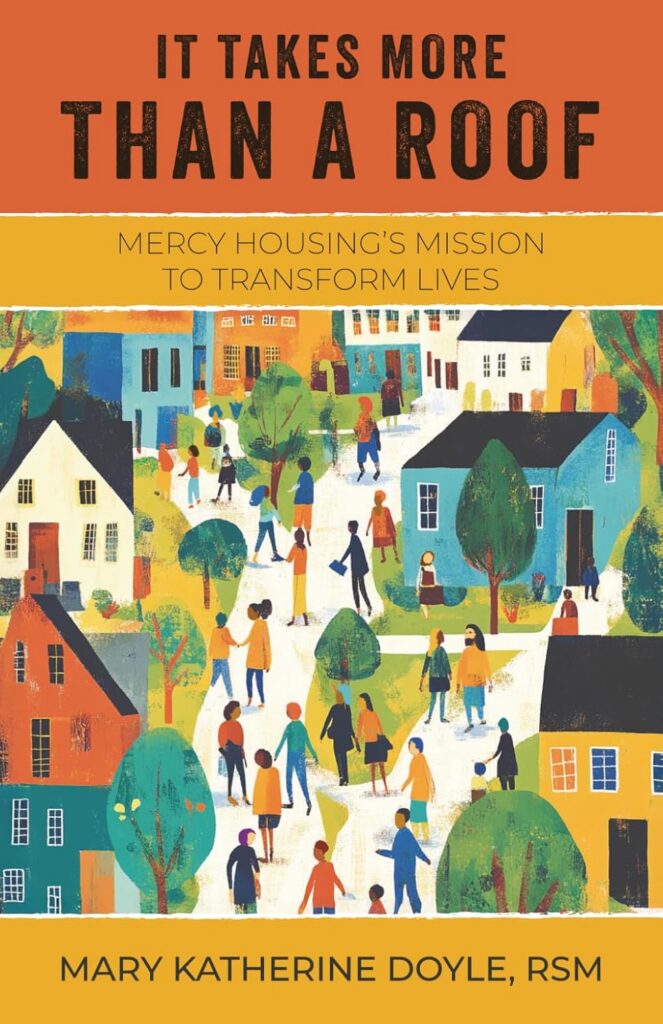
In the pages of It takes More Than a Roof and on the Mercy Housing website (https://mercyhousing.org) you can read and learn about the amazing stories that run counter daily news reports. When respect, justice, and mercy guide every decision, hope abounds.
The Book of Lamentations, then and now, offers a language for grief, fear, and despair.

God is culpable. There is no other way to come to terms with God’s character that is true to the Bible and our lived experience.
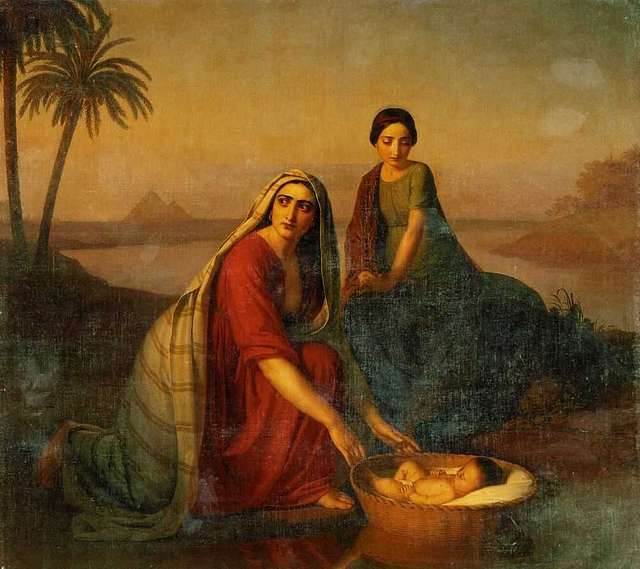
This story of lamentation to liberation has countless fictional elements. It simply could not have happened as recounted. The power of the story is that it happens all the time.

The cry that begins our lives is not the sound of despair, but of hope, a reaching toward connection, toward comfort, toward life itself. So it is with lament.
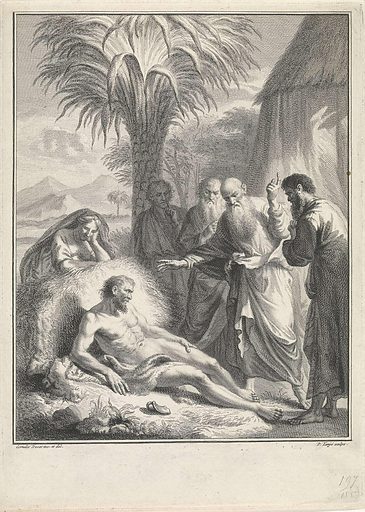
We too often think of it as just complaining, playing the blame game, an excuse for negativity, or a “poor me” syndrome. But, as we’ve seen from the story of Job, the Bible does recognize the validity of the human need to lament.