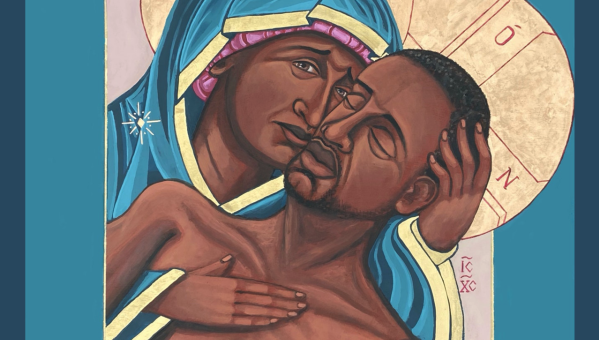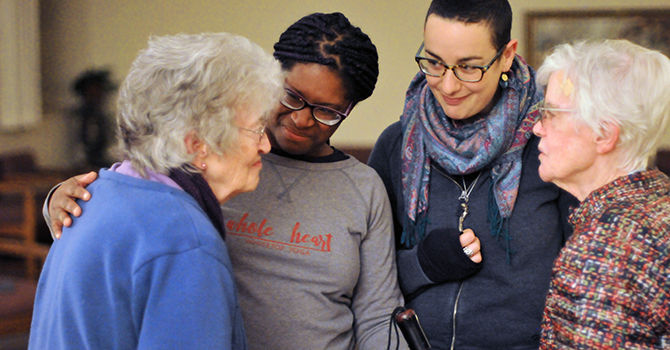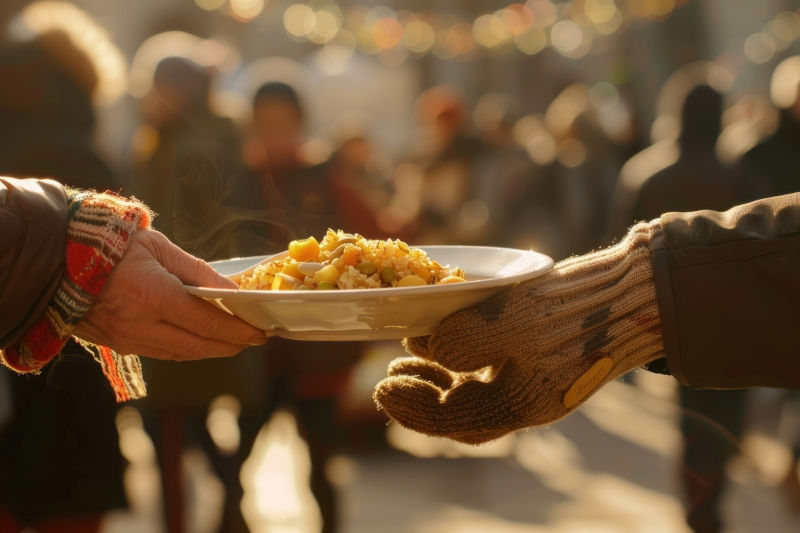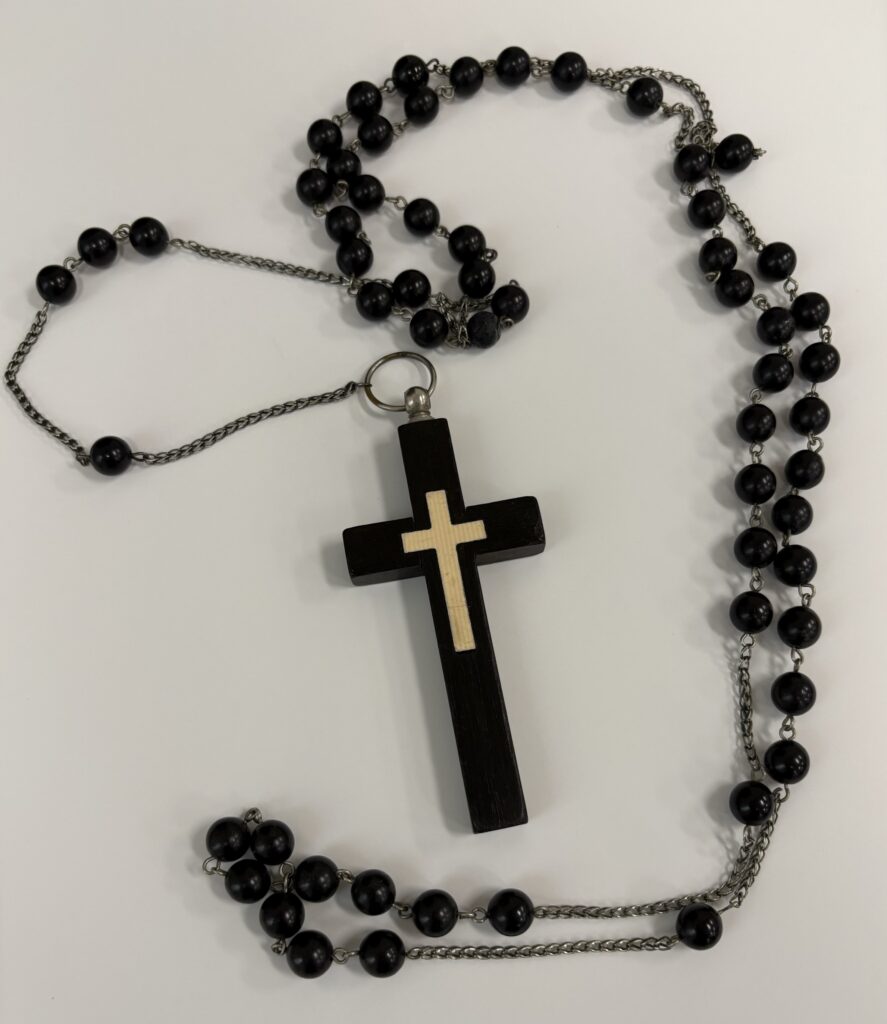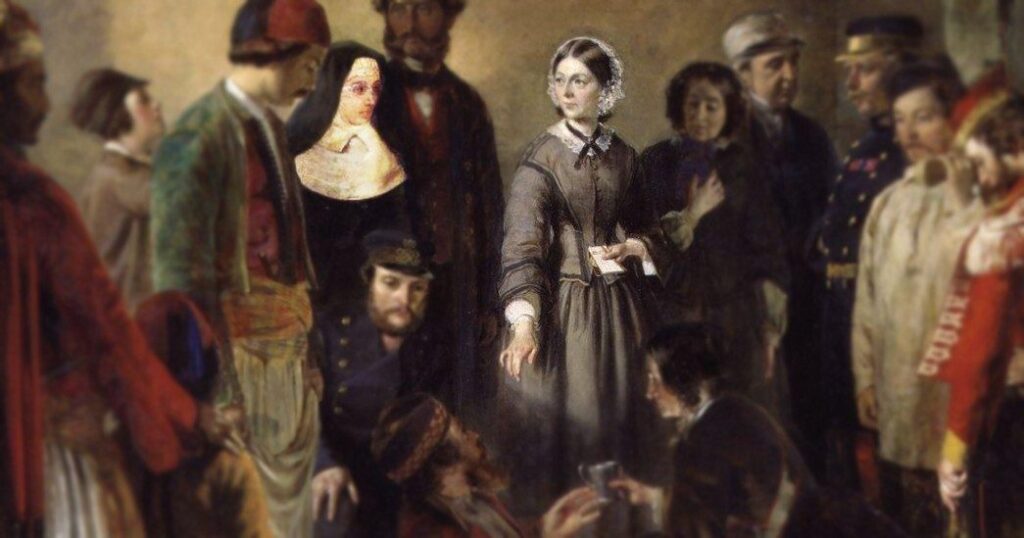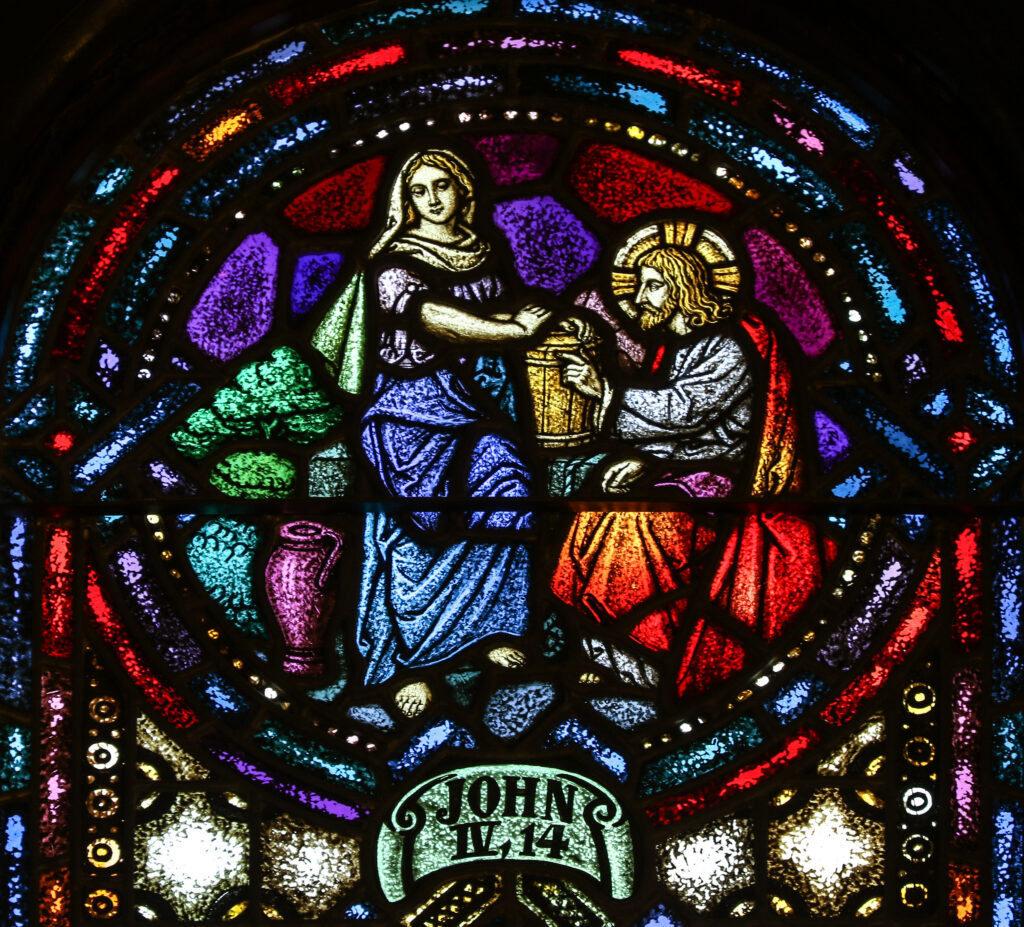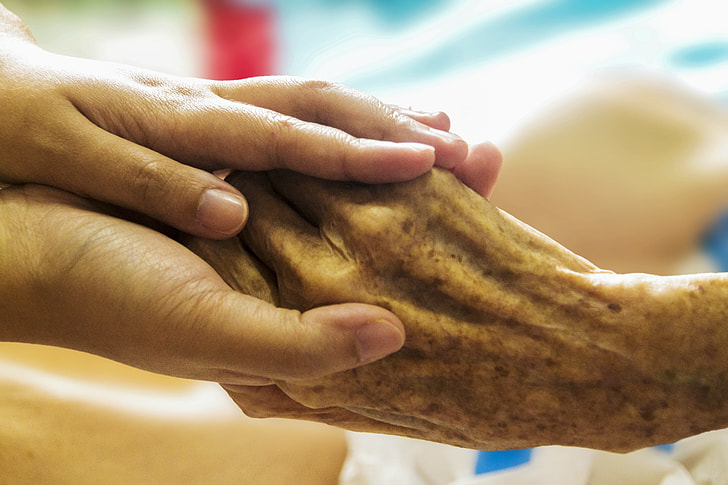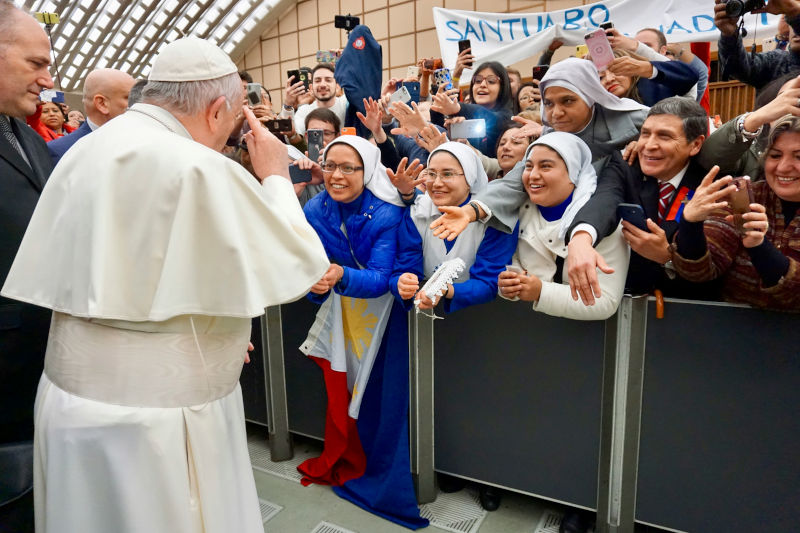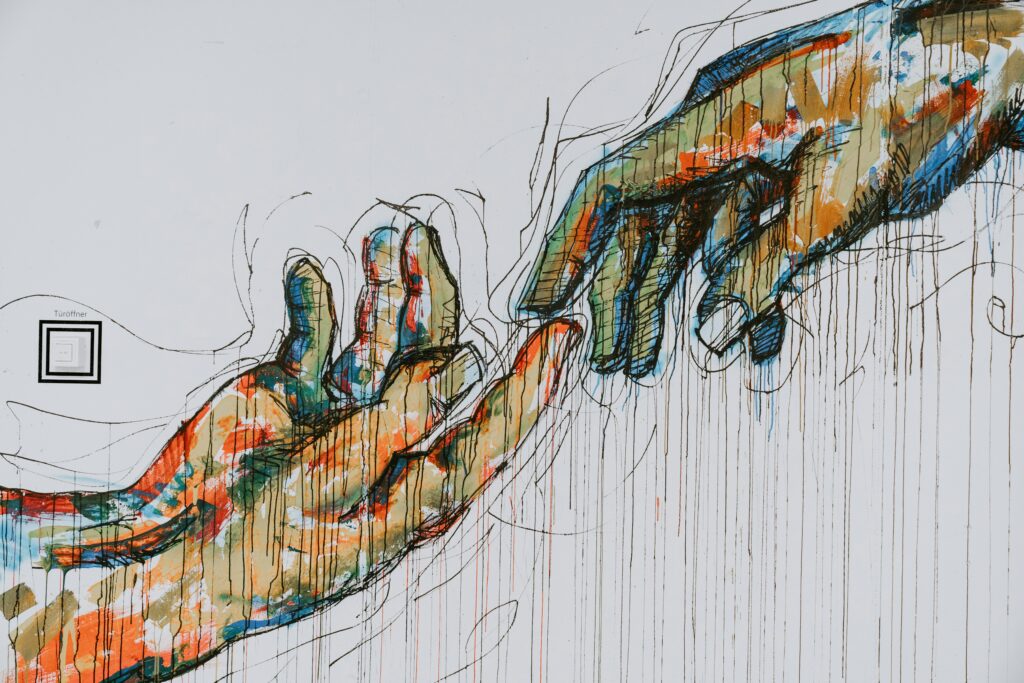

“A touch of mercy transforms everything. It is the most profound feeling we can have . . . it changes the world . . . A little bit of mercy makes the world less cold and more just.”1
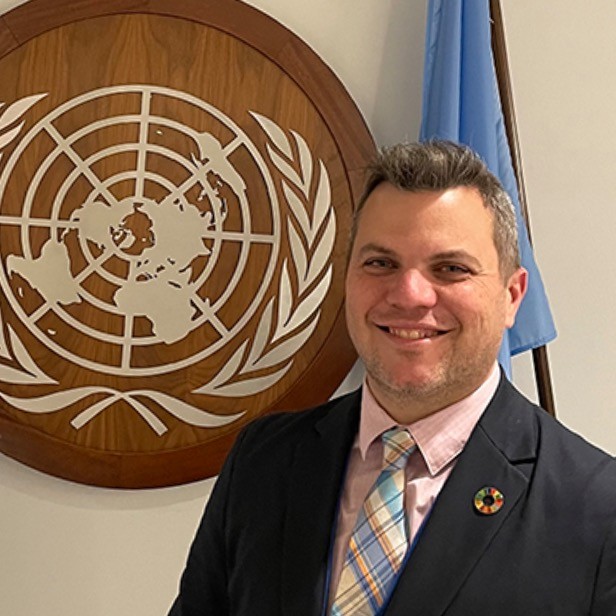
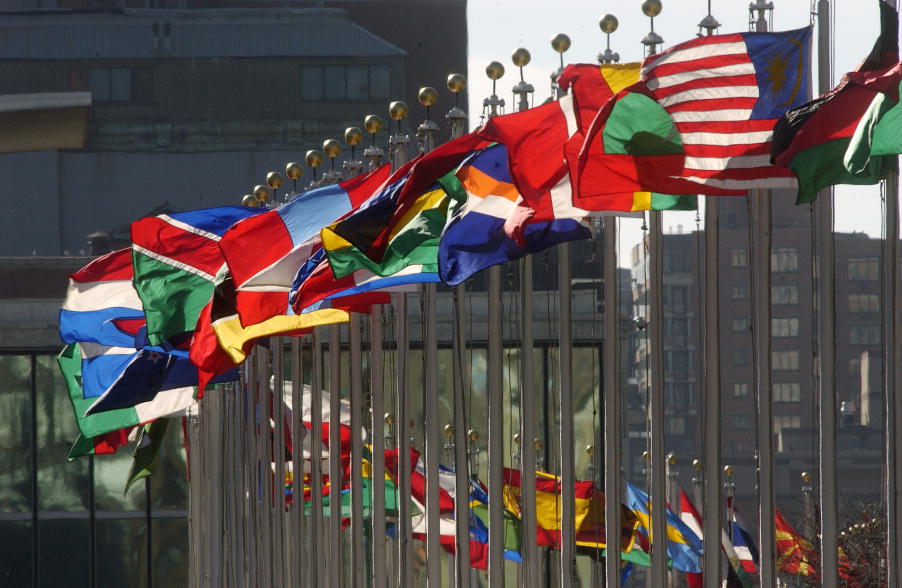
After nearly two decades of leadership in Campus Ministry at St. John’s University (NY), I was invited to represent the Sisters of Charity Federation at the United Nations in 2022. From engaging college-aged students in the Corporal Works of Mercy inspired by the University’s Catholic and Vincentian mission and charism, I was now charged with advocacy at the international stage, with an invitation to practice the Spiritual Works of Mercy, most especially to instruct the ignorant and to pray for the living and the deceased.
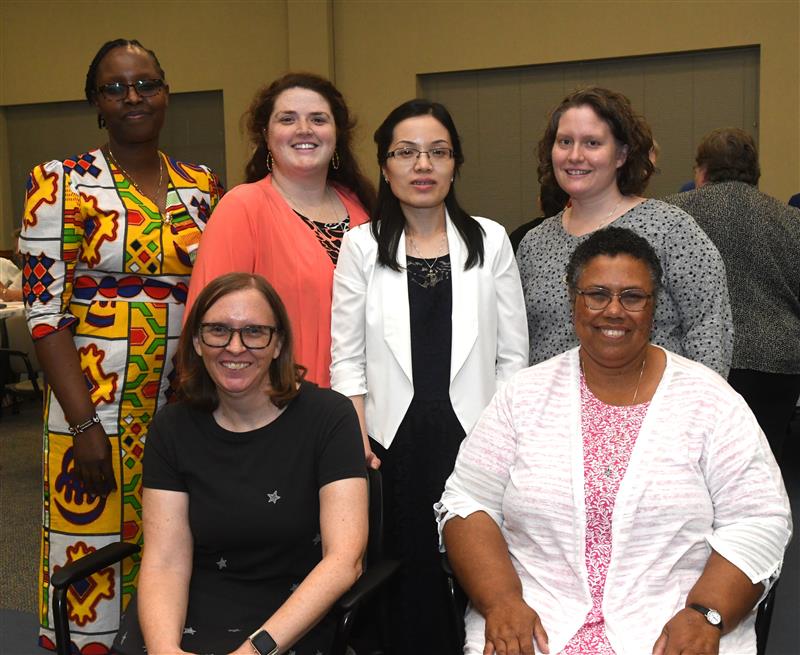
My ministry at the United Nations started with a morning of profound inspiration. On my very first day, I attended the monthly meeting of the Religious at the UN (RUN). Gathered in the basement of a Salvation Army in midtown Manhattan, two long tables were filled with representatives of various Catholic religious communities. If Catholic Social Teaching is the “Church’s best kept secret,” then this community and its ministry are a close second.
It was a diverse community of ages, experiences, dialects, national origins, and charisms, all working toward mercy and peace. As we prayed together at the start, I couldn’t help but appreciate that these men and women are the spiritual descendants of our Church’s great saints and heroes, united in spirit and action. I now joined them in community, representing St. Vincent de Paul, St. Louise de Marillac, and St. Elizabeth Ann Seton, as well as the 13 congregations of the Sisters of Charity Federation and their partners. I was (and continue to be) humbled by this opportunity and responsibility.
In preparation for this new responsibility, I explored and came to better appreciate how advocacy was essential to the Vincentian charism as St. Vincent wrote, “The obligations of justice have priority over those of charity.”2 For so many years, I met Christ in the face of the most vulnerable, inviting our students to be transformed by this experiences of feeding the hungry and clothing the naked. Now, as St. Vincent once stood before the royal court and advocated for women and children, I, with my colleagues, was charged to do the same.
Advocacy at the Global Stage
As months turned into years at the United Nations, I painfully learned of the complexity of achieving peace and justice and how the work of advocacy is excruciatingly slow and may take generations to be fulfilled, if ever.
In looking back at my short tenure, each year presented a new lesson. During my first year, like most, I was overwhelmed by the convoluted intergovernmental organization that is the United Nations. I was, and continue to be, energized by the brilliance, passion, and simplicity of my colleagues, as well as all the stakeholders who are trying to improve the lives of others.
In my second year, I struggled with comprehending the devastating data related to the lack of human rights and human dignity across the globe. For example, how do you even grasp that approximately 700 million people, about 8.5% of the global population, live in extreme poverty, surviving on less than $2.15 per day.3
By my third year, I better understood my role and, while neither I nor my colleagues would change the world in this ministry, we did have the opportunity to improve it. By working in committees focused on specific justice issues (i.e., homelessness, mining, human trafficking, nuclear weapons), we create space for those with lived experiences of injustice to tell their stories to the most powerful at the international stage. I assumed leadership responsibilities in these committees and better utilized my gifts to contribute to our daily advocacy to fix the broken systems that lead to the loss of human rights and human dignity.
Spiritual Works of Mercy: Instruct the Ignorant
While I was being challenged professionally, I was also being challenged spiritually. I discerned how the Spiritual Works of Mercy were an invitation to an internal and external transformation.
I started with the first spiritual work of mercy, to “instruct the ignorant.” I always struggled with the word “ignorant,” but I have come to appreciate that there is so much that we simply do not know or understand. There is a humility that comes with knowing that the more you know, the less you know.
Jesus provides a model to follow to animate this work of mercy, as He called His apostles to make disciples of all nations and as He taught them to follow his way of life (Matthew 28:19-20). How essential it is to awaken our eyes and hearts to reality, to better understand the disparity of rights and the lack of dignity that our brothers and sisters experience. In sharing these injustices with the many privileged communities to which I belong, I am often met with apathy and an authentic question of what we can really do to make a difference, especially as we all have our own challenges and crosses to carry.
Yet, the instruction here is a gentle reminder to the way of Jesus, to see our Christian responsibility as not just one social issue or faithful church attendance, but as an invitation to connect and help the most vulnerable among us. Our hearts should stir as we learn of the challenges that humanity experiences, and we must find ways on the local and global level to respond.
Spiritual Works of Mercy: Praying for the Living and the Dead
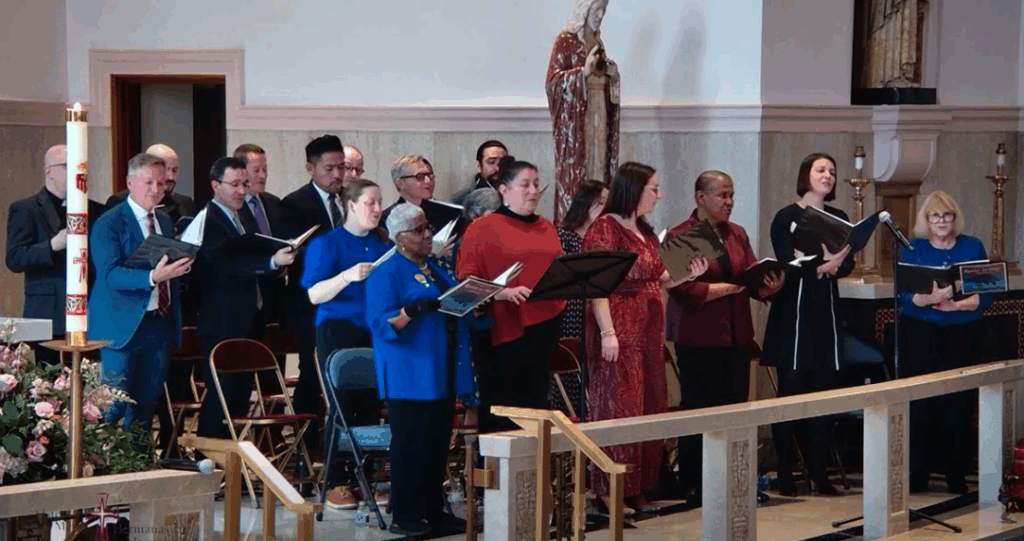
The second spiritual work of mercy that I find myself experiencing daily is praying for the living and the dead. One of the committees I belong to at the United Nations is the Committee of Religious NGOs (CRNGO). Over 100 religions and spiritualities are represented in this community, and although we inform and educate one another, our main purpose is one of prayer.
Faith-based NGOs often provide the moral voice at the United Nations, reminding those in leadership of the promises they made to improve the lives of their people, and to uphold both their human rights and dignity. However, I have come to realize that the space where we can have our greatest impact is through prayer.
What a model it is for our fractured world to see diverse religious leaders coming together to pray for peace, dignity, and justice. We share values and a hope for a future that is more just and one that respects and celebrates all of God’s creation. It is one of the rare experiences in my life where I saw Jesus’ words, “That they all may be one,” come to fruition (John 17:21).
At a recent meeting, one of the leaders of CRNGO said, in response to a conversation about what more we should be doing, that “she is not looking to do more, but to pray more.” We were reminded of this unique role that we play, to bring our intentions to God, praying for one another, for those we serve, and for those who have already returned home to God.
In my own Catholic tradition, I sense the power of the communion of saints who are guiding us as we continue what they started. I pray for those who dedicated their lives to advocacy, both living and deceased, for the grace and strength to be like them, as well as for their intercession. I pray for my colleagues at the United Nations, that our advocacy is not performative but that it is effective and transformative. I pray for those who have power to improve the lives of others, that their hearts will soften, and I pray for those we represent, that they will experience a more just and peaceful life.
Suffering: An Invitation
Last summer, as I was starting to feel more confident and effective in this ministry at the United Nations, a personal health crisis emerged as I was diagnosed with Stage IV colon cancer. Surgery and a year of chemotherapy followed. As I write this article, I am approaching my final round of chemotherapy, and I await another scan that will inform the next step in this healing journey.
Thankfully, despite the severity of my diagnosis and the impact of treatment, I remained healthy enough to continue my ministry at the United Nations. The suffering that followed each chemotherapy infusion became a spark to discover the depths of God’s love and mercy in a way that was simply not possible before. Related to my role in global advocacy, I started to ponder, “How can this suffering better connect me to the suffering of others.” I also wondered, “What good can come from this diagnosis?” These questions have accompanied me during this past year, and they will for some time, I imagine.
During this time of healing, I couldn’t help but appreciate the access to, and the quality of, healthcare that I was receiving, especially considering the lack of healthcare that so many in the world receive. As an example, it is estimated that the recent dismantling of USAID will lead to 14 million deaths, including 4.5 million children under the age of five, by 2030. This haunts my own and our nation’s soul.4
I then look at the gift of community that I have, from my kids’ school to the various faith and secular organizations we belong to. How humbling it is to be on the receiving end of mercy and love. I consider how my daughters, ages six and nine, are protected and supported as they try to comprehend what their father is experiencing and grow as young girls. I do not take any of this for granted, appreciating the privilege that my family and I receive.
How many in our world are also struggling but lack this care and support? I think of the people of Sudan, Haiti, and Gaza, to name a few, and how alone they must feel. From the lack of access to food and water to the continued violence that destroys their lives, how they must wonder if the rest of the world even knows, and if they do, do they even care.
With this greater appreciation of my privilege comes a renewed responsibility. My suffering becomes my purpose. I trust in God’s unconditional love and guiding hand so I can do my small part to heal, to remedy, and to love.
What I struggle with most is the ticking of the clock that a cancer diagnosis brings. I sense an urgency to make a difference, to see the fruit of our labor, not just for my own children, but for all current and future generations.
This brings me back to the familiar prayer, Prophets of a Future Not Our Own.5
I am reminded that we are the “workers, not the master builder;” “ministers, not messiahs.” As the prayer concludes, with the words “we are a prophet of a future not our own,” the ticking of the clock silences, and the beauty and opportunity of the present moment becomes clearer.
Conclusion
When I left a ministry that I loved at St. John’s University, I moved 12 miles west to the United Nations with great uncertainty of what God or I was doing. Yet, I trusted that the invitation would transform all aspects of my life, and as a result, I pray, the lives of the world’s most vulnerable.
In looking back, I can see the gentle hand of the Holy Spirit inviting me into greater mercy and love. There are moments of progress at the United Nations to celebrate while so much work remains. There are many lessons learned, new relationships formed, and a renewed sense of purpose and direction.
As I look ahead, unaware of what the future brings, I am learning to trust and accept God’s will. I pray that we, advocates at the United Nations, can continue to grow in this ministry, learning how to better promote human rights and dignity. I pray for my own healing and the healing of our divided world, and I am excited to see how the other Spiritual Works of Mercy will be integrated into my ministry and life.
Pope Leo, in a recent video message to the World Apostolic Congress on Mercy, moves us forward. He urged: “Let us therefore join our trust in the infinite mercy of God with our own personal commitment to build a more welcoming and merciful society, beginning with our families.”6
May each one of us respond to the call for mercy, both in our local and global communities. Finally, may we believe, as referenced in the Pope Francis quote at the start of this article, that “a touch of mercy can change the world.”
Notes:
- Pope Francis, Angelus, (March 17, 2013), The Holy See, https://www.vatican.va/content/francesco/en/angelus/2013/documents/papa-francesco_angelus_20130317.html.
- Correspondence, Conferences, Documents of St. Vincent De Paul CCD:VII:633, referenced in John Freund, CM, “The Prophetic Dimension of the Vincentian Charism in Light of the Social Doctrine of the Church,” https://famvin.org/en/2025/10/08/the-prophetic-dimension-of-the-vincentian-charism-part-4-saint-vincent-and-the-challenge-of-consistency/.
- World Bank, “Poverty, Prosperity, and Planet Report: Pathways Out of the Polycrisis,” Washing, DC: World Bank, 2024. https://www.worldbank.org/en/publication/poverty-prosperity-and-planet.
- Geoff Bennett and Zeba Warsi, “Former USAID Head says ‘People are Dying’ a Year after the Agency’s Dismantling,” PBS NewsHour, July 1, 2026, https://www.pbs.org/newshour/show/former-usaid-head-says-people-are-dying-a-year-after-agencys-dismantling.
- USCCB, “Prophets of a Future Not Our Own,” https://www.usccb.org/prayer-and-worship/prayers-and-devotions/prayers/archbishop_romero_prayer.
- Isabella H. de Carvalho, “Pope: In a World of Conflicts God’s Mercy can Turn our Lives Around,” Vatican News, June 7, 2026, https://www.vaticannews.va/en/pope/news/2026-06/pope-leo-apostolic-congress-mercy-vilnius-lithuania-divine-mercy.html.

image credit: “United Nations Headquarters” by United Nations Photo, CC BY-NC-ND 2.0