

Dear Sisters, Associates, Companions and Friends of Mercy,
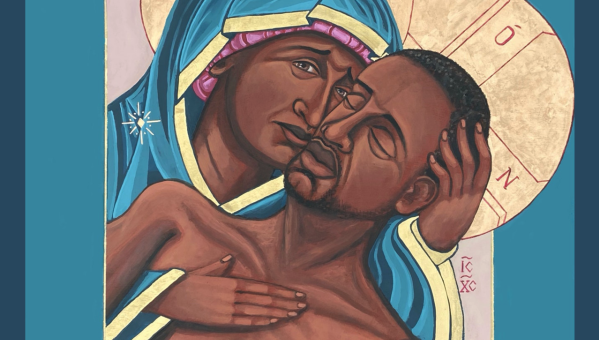
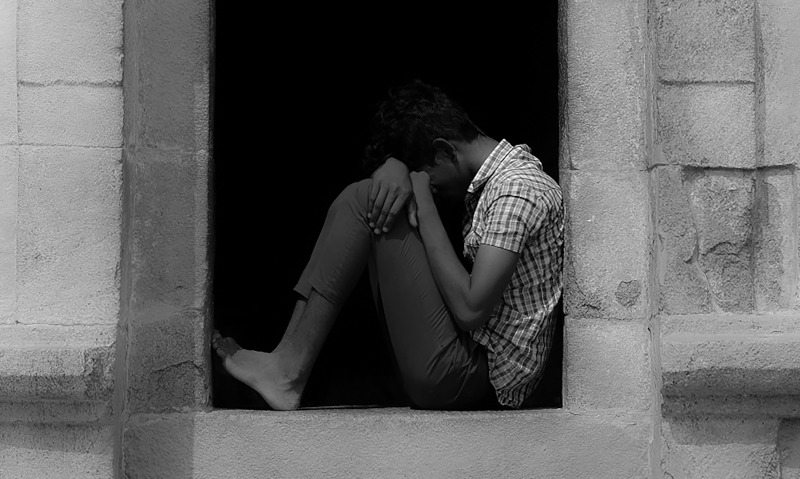
Lamentation, this issue’s theme, responds to the situation of the world today. The Book of Lamentations, a short biblical book consisting of five poems, gives voice to the grief, fear, and despair of those who have survived the destruction of Jerusalem in 586 BCE. Theologian Kathleen O’Connor, in Lamentations and the Tears of the World, calls Lamentations “an artistic jewel, a theological enigma, and a courageous act of survival.” The same could be said for this issue’s articles.
In “Living Our Laments,” Avis Clendenen offers a deeply personal theological memoir exploring how lifelong grief can become a path to healing. Anchoring the essay in her childhood experience of accidentally killing her younger brother, Clendenen examines the enduring burden of guilt, shame, and sorrow—and the spiritual crisis such trauma provokes. Ultimately, Clendenen invites readers to “live their laments”: to tell the stories that remain hidden, to resist premature consolation, and to allow wounded faith to mature into a deeper, truer relationship with God—one shaped by honesty, endurance, and mercy renewed each morning.
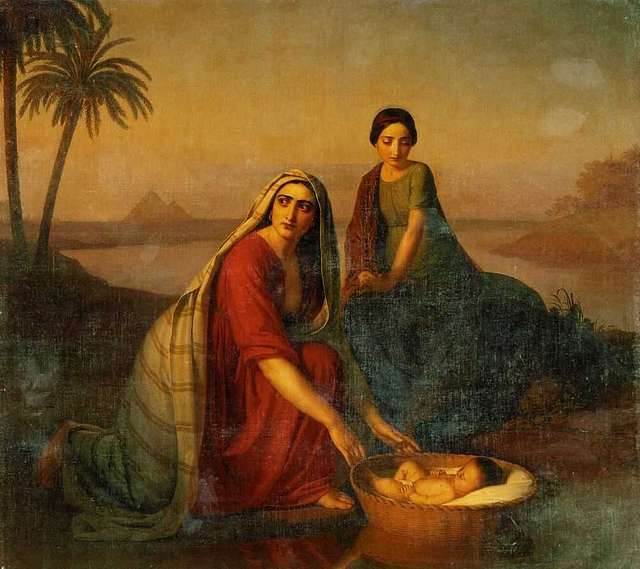
Biblical scholar Veronica Lawson, RSM, reflects on Exodus 1:1–2:10, a story of hope and liberation, emphasizing the decisive role of women in resisting oppression in “From Lamentation to Liberation.” While the narrative is acknowledged to be imaginative rather than strictly historical, Lawson argues that its truth lies in its enduring meaning: God’s liberating work often unfolds through the courageous actions of the marginalized and even through unexpected allies within oppressive systems. The story moves from lamentation to hope, showing how compassion and wisdom overcome brutality, offering a powerful message for today’s context of migration, injustice, and struggle for survival.
In “Lamentation: The First Language of the Heart,” Brenda Whelan, RSM, explores lament as the most primal and honest human language—one that precedes words, survives memory, and speaks when language fails. Drawing on psychology, theology, scripture, and her own experience as a Sister of Mercy and grief therapist, Whelan presents lament as a necessary response to suffering rather than something to be avoided or fixed.
Mary-Paula Cancienne, RSM, in “A Plea to Lament,” emphasizes that lament is essential in times of profound personal, political, and global distress. A deep, saturating form of grief, lament dwells honestly with sorrow and dislocation rather than offering resolution or reassurance. Drawing on Finnish President Alexander Stubb’s 2025 UN address, Cancienne argues that today’s global crises stem from a misalignment of values, interests, and power, which leads to disproportionate suffering.
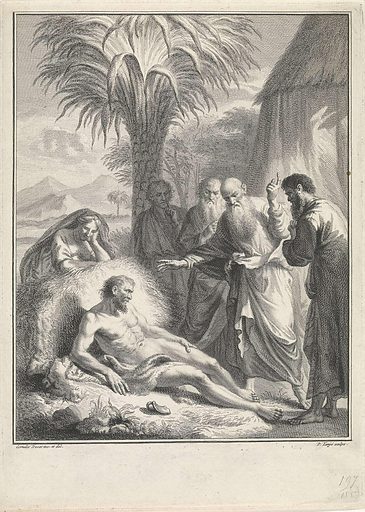
Aline Paris, RSM, challenges the common image of Job as a passive model of endurance and argues instead that he reaches authentic conversion through lamentation in her essay, “Job.” While Job initially appears patient, the heart of the biblical text reveals a man who protests his innocence, confronts God, and voices profound anguish over innocent suffering. Through sustained lament—expressed in grief, anger, despair, and confrontation—Job moves from self-righteousness and limited understanding toward humility and true wisdom. The article concludes that lament is not negative or destructive but a vital, constructive pathway to honesty, conversion, and deeper faith, both for Job and for human experience more broadly.
While we were lamenting the deaths of Renee Good and Alex Pretti, when children were too afraid to go to school and parents to work, when even citizens were hauled out of their homes for no reason other than the color of their skin, Larretta Rivera-Williams, RSM, turned to poetry. “Breathe the Breath of God,” a pulsating poem perfectly suited to our times, captures the tenor and terror of these days, reminding us to breathe and pray.
“Memoirs of Lament” explores how reading and writing memoirs of suffering can function as a form of spiritual accompaniment. Drawing on theology, personal reflection, and literature, Julia Upton, RSM, introduces five memoirs written in the context of illness, grief, and loss, showing how lament—woven with ritual, faith, community, and hope—becomes a path toward meaning and solidarity. Together, these works demonstrate that while words cannot erase suffering, they foster presence, compassion, and accompaniment on the journey through grief toward life.
The MAST Journal editorial board hopes that you enjoy and are challenged by the articles in this issue. The next issue will focus on the Work and Works of Mercy.
Yours,

Julia Upton, RSM
Editor of The MAST Journal